Volcanic Blocks Lightweight Solution for Roofs and Interior Walls
Selecting construction materials in modern projects is no longer based solely on structural strength. Today, engineers and project owners also consider how a material contributes to reducing the overall building weight, improving insulation performance, accelerating construction, and lowering long-term operating and maintenance costs. In Kuwait, where high temperatures dominate most months of the year and modern developments aim to improve energy efficiency without increasing structural loads, volcanic blocks have emerged as an effective engineering solution that combines lightweight performance with thermal insulation, acoustic insulation, and ease of installation. This type of masonry is commonly used in specific applications such as interior partition walls and selected lightweight roof systems while fully complying with structural design requirements. Successful implementation depends on understanding its engineering characteristics, the properties of the volcanic aggregates used in manufacturing, and its appropriate applications compared with conventional masonry materials. For that reason, selecting volcanic blocks should always be based on technical specifications, laboratory testing, and proven field experience rather than weight or price alone.
Volcanic Blocks
.webp)
Volcanic blocks are manufactured using natural volcanic aggregates that possess a porous internal structure formed over thousands of years through volcanic activity. These naturally occurring pores provide engineering advantages that are difficult to achieve with conventional aggregates by producing masonry units with lower density, improved thermal insulation, and enhanced acoustic performance while maintaining the required level of durability for their intended applications. Many people mistakenly assume that lighter construction materials are automatically weaker, but engineering practice demonstrates that the performance of any masonry unit depends on whether it is used within its intended design limitations rather than on its weight alone. For this reason, volcanic blocks are not considered universal replacements for every masonry product. Instead, engineers specify them when the project requires lower permanent structural loads, better thermal performance, and faster construction without compromising engineering quality. Across numerous residential developments in Kuwait, volcanic blocks have proven highly effective for interior partition walls and other non-load-bearing applications, where they reduce the dead load imposed on reinforced concrete slabs while simultaneously improving indoor thermal comfort and reducing noise transmission. Their lower weight also simplifies transportation and handling on construction sites, allowing crews to complete installation more efficiently with less physical effort. However, experienced engineers always emphasize that product selection should be based on verified laboratory reports covering compressive strength, density, water absorption, and thermal performance because manufacturing quality differs considerably between suppliers. Only products that comply with recognized engineering standards can consistently deliver the long-term performance expected throughout the building's service life.
-
Manufactured using natural volcanic aggregates with unique engineering properties.
-
Reduce permanent structural loads compared with denser masonry products.
-
Improve indoor comfort through better thermal and acoustic performance.
-
Accelerate construction by simplifying transportation and installation.
-
Suitable for projects requiring lightweight, high-efficiency masonry systems.
-
Must comply fully with engineering specifications before approval.
-
Product quality depends on manufacturing methods and raw material consistency.
-
Deliver optimal performance only when used in appropriate applications.
-
Support modern energy-efficient building strategies.
-
Represent an advanced construction solution combining performance and practicality.
Volcanic Concrete Blocks
Volcanic concrete blocks have become one of the most advanced masonry solutions for projects seeking to reduce overall building weight while maintaining reliable functional performance. Their relatively low density helps decrease the dead loads transferred to columns and foundations where permitted by structural design, providing engineers with greater flexibility during load calculations and structural optimization. These benefits begin during the design stage and continue throughout construction because lighter units are easier to transport, lift, and install, allowing masonry crews to complete wall construction more quickly while reducing physical strain. Based on practical experience across residential and commercial projects in Kuwait, contractors frequently select volcanic concrete blocks for interior partition walls and other non-load-bearing elements because they provide an effective balance between construction efficiency and thermal performance. They also simplify the installation of electrical conduits, plumbing systems, and mechanical services because they can be cut and shaped more easily than heavier masonry products, reducing unnecessary demolition work and preserving the quality of finished surfaces. Nevertheless, volcanic concrete blocks should never be regarded as automatic substitutes for all other block types. Every project has unique structural requirements, loading conditions, and design objectives. Engineers therefore evaluate laboratory test results for compressive strength, density, thermal conductivity, and dimensional accuracy before approving any product. Quality certificates issued by reputable manufacturers are equally important because consistent production standards ensure reliable long-term performance. Practical construction experience consistently shows that selecting the right product for the correct application delivers significantly better results than simply choosing the least expensive material.
-
Lower building weight by reducing permanent structural loads.
-
Improve construction productivity through easier handling and installation.
-
Simplify electrical and plumbing service integration.
-
Perform well in interior non-load-bearing wall applications.
-
Enhance thermal efficiency within completed buildings.
-
Require engineering approval before project implementation.
-
Depend on consistent manufacturing quality for reliable performance.
-
Reduce physical demands on construction workers.
-
Support modern sustainable building objectives.
-
Balance engineering performance with long-term economic value.
Lightweight Blocks
.webp)
Lightweight blocks have become an essential component of contemporary construction because their advantages extend far beyond reducing handling effort during installation. Lower-density masonry influences structural engineering, construction efficiency, energy performance, and long-term operating costs throughout the life of a building. As wall weight decreases, the loads transferred to beams, columns, slabs, and foundations are also reduced, potentially improving structural efficiency in many multi-story developments where partition walls are repeated extensively. Lower weight also increases worker productivity because masonry units can be transported and installed more rapidly while reducing the likelihood of damage during handling. Throughout Kuwait, developers increasingly specify lightweight blocks in projects that seek to balance construction speed with improved thermal performance while fully complying with engineering design requirements. One common misconception is that all lightweight blocks provide identical performance. In reality, significant differences exist between products depending on aggregate type, manufacturing processes, compressive strength, water absorption, and dimensional consistency. Consequently, engineers rely on certified technical data rather than visual appearance or weight alone when selecting suitable products. For large-scale developments, laboratory testing and sample evaluation are often recommended to verify that every production batch satisfies project specifications. When lightweight construction materials combine reduced density with high manufacturing quality and proper installation, they become highly effective engineering solutions capable of improving productivity, reducing labor demands, enhancing operational efficiency, and maintaining long-term building performance without compromising structural integrity.
Interior Partition Walls
Interior partition walls represent one of the applications where volcanic blocks demonstrate their greatest advantages because these walls are not intended to carry the primary structural loads of the building. Instead, their role is to divide interior spaces efficiently while improving thermal comfort, acoustic performance, and construction productivity. Throughout Kuwait, many consulting engineers recommend volcanic blocks for partition walls in villas, apartments, office buildings, schools, hospitals, and commercial facilities whenever structural calculations allow their use. Their lower density reduces the dead loads imposed on reinforced concrete floor slabs, providing additional design flexibility, particularly in multi-story buildings where partition walls are repeated extensively. Practical experience from completed projects also shows that masonry crews can complete larger wall areas each day compared with heavier conventional blocks because volcanic masonry units are easier to transport, lift, align, and install. Contractors also appreciate the ease with which electrical conduits, plumbing pipes, communication cables, and HVAC services can be integrated into volcanic block walls. This reduces unnecessary demolition work after wall construction has been completed and helps preserve the quality of finished plastering and decorative finishes. However, successful partition wall performance depends on much more than the masonry units themselves. Proper mortar selection, accurate alignment, appropriate reinforcement where required, correct connections to reinforced concrete elements, and professional workmanship are all essential to prevent future cracking or movement. Consequently, volcanic blocks should be viewed not merely as lightweight masonry but as part of a complete engineered wall system designed to improve both construction quality and long-term operational performance.
-
Divide interior spaces efficiently while maintaining low wall weight.
-
Simplify electrical, plumbing, HVAC, and communication installations.
-
Reduce structural loads transferred to reinforced concrete floor slabs.
-
Increase construction productivity in residential and commercial developments.
-
Improve indoor thermal and acoustic comfort throughout occupied spaces.
-
Reduce material damage during transportation and installation.
-
Require proper wall connections and reinforcement where specified.
-
Perform best when installed according to approved engineering details.
-
Suitable for villas, offices, schools, hospitals, and institutional buildings.
-
Improve finishing quality by minimizing unnecessary demolition work.
Lightweight Roof Systems
.webp)
Lightweight roof systems have become an increasingly important engineering solution for projects seeking to reduce permanent structural loads while maintaining durability, safety, and long-term operational performance. Volcanic blocks are incorporated into certain lightweight roofing systems because their reduced density decreases the overall weight carried by beams, columns, and foundations without sacrificing the engineering objectives established during structural design. In Kuwait, many contemporary developments utilize lightweight construction strategies to improve structural efficiency, particularly in buildings with multiple floors or large roof spans where reducing dead loads can produce measurable engineering and economic benefits. Lower-weight masonry units also simplify transportation to upper levels, reduce lifting effort, accelerate installation, and improve job-site productivity. Nevertheless, volcanic blocks should never be introduced into roof systems without complete engineering evaluation because each structural system has unique loading requirements, reinforcement details, slab configurations, and design limitations. Substituting one roofing material for another without engineering approval may alter load distribution and compromise structural performance. For this reason, consulting engineers carefully evaluate dead loads, live loads, structural calculations, and system compatibility before specifying lightweight volcanic masonry within roof assemblies. When integrated correctly into an engineered roofing system, volcanic blocks contribute to faster construction, improved handling efficiency, lower structural loads, and enhanced long-term building performance while maintaining compliance with structural safety requirements.
-
Reduce permanent dead loads acting on the structural frame.
-
Improve transportation and installation efficiency on upper floors.
-
Accelerate construction schedules for selected roofing systems.
-
Enhance equipment utilization during project execution.
-
Support developments seeking lower overall building weight.
-
Require complete engineering approval before installation.
-
Must be evaluated according to structural loading calculations.
-
Increase construction efficiency in large multi-story projects.
-
Reduce physical strain on installation crews.
-
Deliver the best results when incorporated into engineered roofing systems.
Volcanic Concrete
Volcanic concrete forms the engineering foundation for many lightweight masonry products because it utilizes naturally porous volcanic aggregates that possess significantly lower density than conventional aggregates. These unique aggregates not only reduce overall weight but also improve thermal performance by slowing heat transfer through concrete components, making them especially attractive for projects focused on energy efficiency. The quality of volcanic concrete depends upon several critical factors, including aggregate selection, mix proportions, cement quality, production methods, curing procedures, and manufacturing quality control. Consequently, finished products from different manufacturers may vary considerably in density, compressive strength, dimensional stability, and thermal characteristics. Based on practical experience within the construction materials industry, manufacturers that implement rigorous quality assurance systems and continuous laboratory testing consistently produce volcanic masonry products with more reliable engineering performance. It is equally important to recognize that volcanic concrete is not intended to replace every type of conventional concrete. Instead, it is designed for applications where reduced weight and improved thermal properties provide measurable engineering advantages. Throughout Kuwait, demand for volcanic concrete products continues to increase as developers seek construction materials that improve building efficiency while minimizing structural loads. This growing trend reflects the broader movement toward sustainable construction, where building materials are evaluated not only by their strength but also by their contribution to operational efficiency, environmental performance, and long-term value.
-
Produced using naturally lightweight volcanic aggregates.
-
Enable the manufacture of efficient lightweight masonry products.
-
Improve thermal performance compared with conventional concrete mixtures.
-
Require strict quality control during production and curing.
-
Exhibit performance characteristics that vary with manufacturing methods.
-
Designed for specialized engineering applications.
-
Support sustainable and energy-efficient construction strategies.
-
Require certified laboratory testing for quality verification.
-
Reduce the overall weight of selected building components.
-
Deliver optimal results when manufactured according to recognized engineering standards.
Fire Resistance of Volcanic Blocks
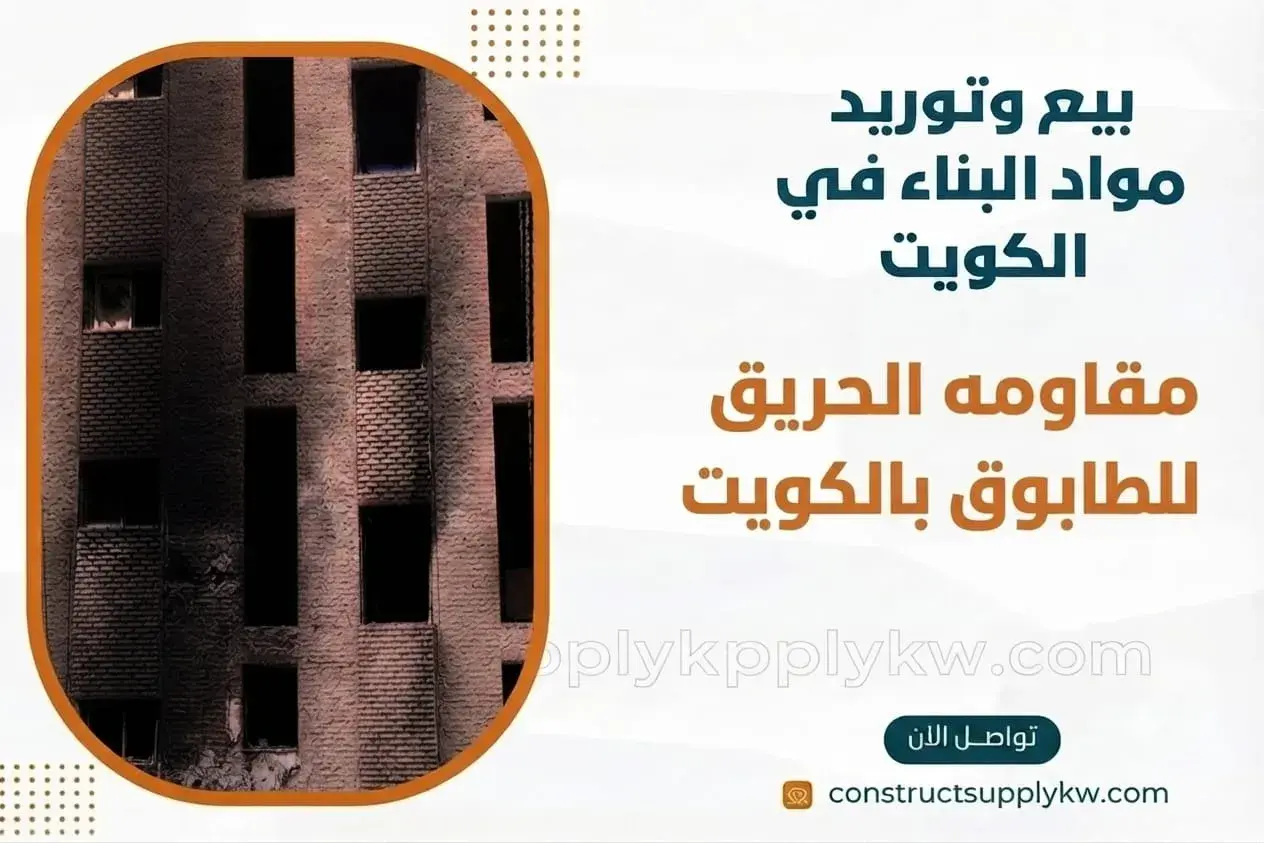
Fire resistance of volcanic blocks is one of the most important engineering characteristics considered by architects, consulting engineers, and safety specialists when selecting masonry materials for modern construction projects. In buildings such as hospitals, educational facilities, hotels, office towers, shopping centers, and residential complexes, fire safety requirements have become increasingly stringent, making the selection of appropriate wall systems a critical design decision rather than a secondary consideration. Volcanic blocks benefit from the natural mineral composition of volcanic aggregates, which are inherently stable under high temperatures because they originated through geological processes involving extreme heat. This characteristic contributes to the overall fire performance of properly designed wall systems. However, it is essential to understand that fire resistance is never evaluated by examining the masonry block alone. Engineering standards assess the complete wall assembly, including block dimensions, mortar type, plaster finishes, reinforcement details, wall thickness, and construction quality. These components are tested together under internationally recognized fire testing procedures to determine the wall's certified fire-resistance rating. Across Kuwait, consulting engineers increasingly request certified laboratory reports before approving masonry products for projects with strict fire protection requirements. Properly designed volcanic block walls can slow heat transmission between building compartments, helping delay fire spread and providing valuable additional time for evacuation and emergency response. Consequently, selecting volcanic blocks with documented fire-performance certifications represents an investment in life safety, regulatory compliance, and long-term building reliability rather than simply choosing another lightweight construction material.
-
Contribute to improved fire safety when incorporated into certified wall assemblies.
-
Help reduce heat transfer between adjacent spaces during fire exposure.
-
Must be evaluated as part of a complete engineered wall system.
-
Suitable for projects requiring enhanced fire-protection performance.
-
Require certified laboratory testing to verify fire-resistance ratings.
-
Perform most effectively when installed according to approved engineering specifications.
-
Complement passive fire-protection strategies within modern buildings.
-
Support compliance with current building safety regulations.
-
Improve the structural stability of partition walls during fire events.
-
Enhance long-term confidence in overall building safety.
Density of Volcanic Blocks
The density of volcanic blocks is one of the primary engineering properties that determines where and how these masonry units should be used within a construction project. Density directly influences wall weight, structural loading, transportation efficiency, installation speed, thermal insulation, and even acoustic performance. Volcanic blocks achieve lower density than many conventional masonry products because they incorporate porous volcanic aggregates containing countless microscopic air voids. These naturally occurring voids reduce the material's weight while simultaneously contributing to improved thermal characteristics. Nevertheless, lower density should never be interpreted as a universal advantage because every engineering application requires an appropriate balance between weight, strength, durability, and functional performance. Structural engineers therefore evaluate density alongside compressive strength, water absorption, dimensional accuracy, thermal conductivity, and manufacturing consistency before approving a product. Reputable manufacturers continuously monitor density during production through routine laboratory testing to ensure every batch remains within specified tolerances. Significant variations in density may indicate inconsistent raw materials or manufacturing processes, potentially affecting the finished wall's performance. Practical construction experience demonstrates that the most successful volcanic blocks are those that achieve an optimal balance between reduced weight and reliable engineering properties rather than simply minimizing density. For this reason, engineers always assess density as one component of a comprehensive technical evaluation instead of treating it as an isolated indicator of product quality.
-
Directly influence wall weight and structural loading.
-
Affect thermal insulation and acoustic performance.
-
Depend on aggregate characteristics and manufacturing quality.
-
Must remain consistent throughout production batches.
-
Should always be evaluated together with compressive strength.
-
Help engineers determine the most appropriate project applications.
-
Improve transportation and installation efficiency.
-
Require certified laboratory verification.
-
Achieve the best performance when balanced with other engineering properties.
-
Serve as an important indicator of manufacturing consistency and product quality.
Volcanic Blocks for Insulation
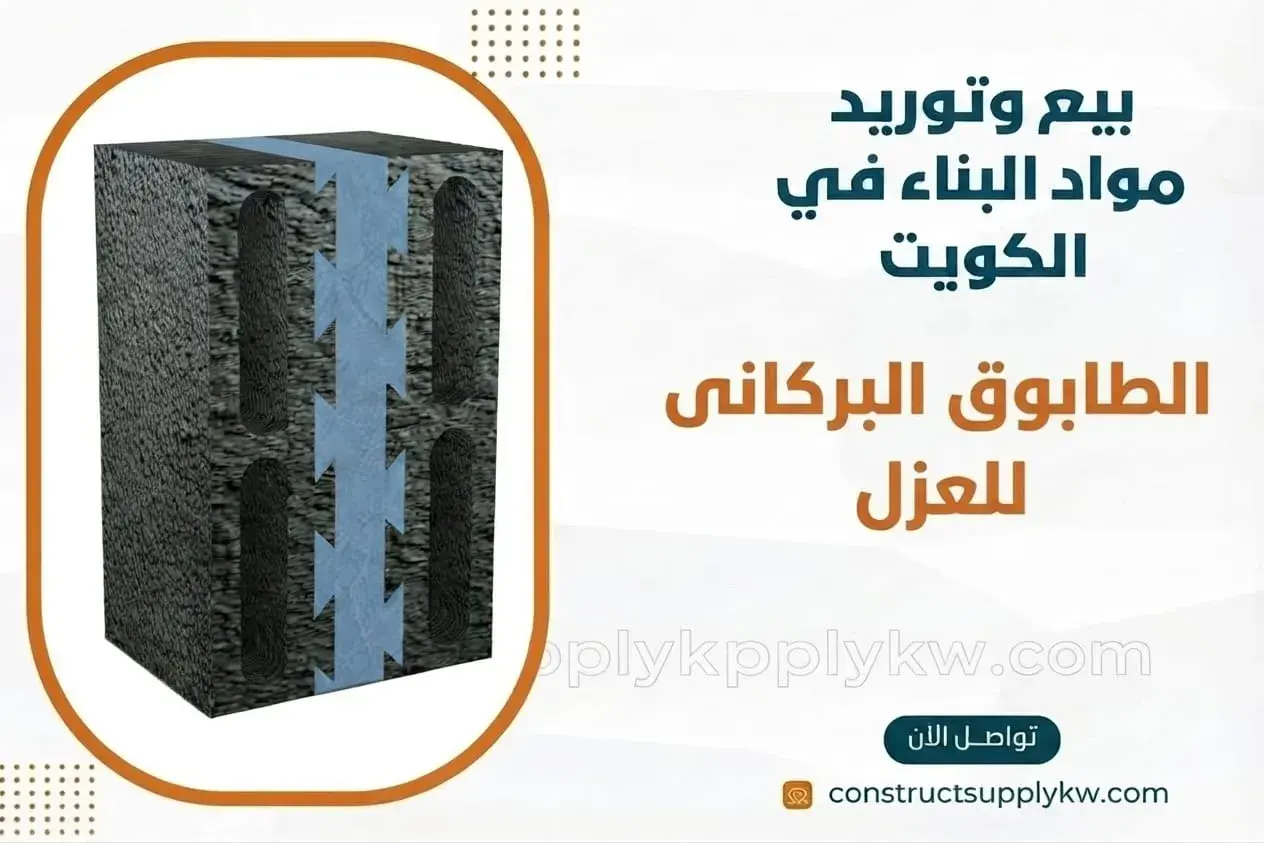
Volcanic blocks for insulation are increasingly selected for projects seeking to improve indoor environmental quality by reducing heat transfer and minimizing unwanted sound transmission throughout the building. Their naturally porous volcanic aggregates create microscopic air spaces that slow the movement of heat through wall assemblies more effectively than many denser construction materials. In Kuwait, where cooling systems operate extensively during much of the year, improving wall insulation has become both an engineering objective and an economic strategy because reducing heat gain allows air-conditioning systems to maintain comfortable indoor temperatures with lower energy demand. However, volcanic blocks should not be viewed as a complete insulation solution by themselves. Instead, they function as one important component within an integrated building envelope that also includes roof insulation, insulated glazing, properly sealed openings, efficient HVAC systems, and professional construction practices. Their acoustic benefits are equally valuable because they reduce sound transmission between rooms, creating quieter living and working environments in residential buildings, offices, schools, healthcare facilities, and commercial developments. The greatest advantages are achieved when volcanic blocks are incorporated into a comprehensive building design where every element contributes to improved energy efficiency and occupant comfort. This integrated engineering approach enables buildings to deliver better operational performance while reducing long-term energy consumption and enhancing the quality of indoor spaces.
-
Help reduce heat transfer through masonry walls.
-
Improve the operating efficiency of air-conditioning systems.
-
Minimize sound transmission between adjacent spaces.
-
Function as one component of an integrated insulation strategy.
-
Suitable for residential, commercial, educational, and healthcare buildings.
-
Enhance year-round indoor thermal comfort.
-
Support long-term reductions in energy consumption.
-
Depend on proper installation as well as product quality.
-
Perform best when combined with complementary insulation systems.
-
Represent an effective solution for modern buildings in hot climates.
Advantages of Volcanic Concrete Blocks
The advantages of volcanic concrete blocks extend far beyond their reduced weight, making them one of the most balanced construction materials available for modern projects seeking efficiency, durability, and improved operational performance. Their lower density simplifies transportation, handling, and installation while reducing the permanent loads imposed on structural components. These benefits improve construction productivity, shorten project schedules, and reduce labor demands across a wide variety of residential, commercial, and institutional developments. In addition to construction efficiency, volcanic blocks contribute to better thermal insulation, helping lower cooling demands in Kuwait's challenging climate, while also improving acoustic comfort by reducing noise transmission between interior spaces. Their dimensional consistency facilitates accurate installation and helps produce higher-quality finishes with fewer corrections during later construction stages. Nevertheless, these advantages depend entirely on selecting products manufactured according to recognized engineering standards. Inferior raw materials, inconsistent production processes, or inadequate quality control can significantly reduce performance regardless of the material's theoretical benefits. Experienced engineers therefore recommend reviewing laboratory certifications, manufacturing quality systems, supplier reputation, and documented project references before making purchasing decisions. When properly specified and professionally installed, volcanic concrete blocks provide a balanced combination of engineering reliability, construction efficiency, thermal performance, operational savings, and long-term sustainability, explaining why they continue to gain popularity throughout modern construction projects in Kuwait.
-
Combine lightweight construction with dependable engineering performance.
-
Accelerate project completion through faster installation.
-
Improve thermal and acoustic insulation within buildings.
-
Reduce permanent structural loads on the building frame.
-
Simplify electrical, plumbing, and mechanical service installation.
-
Support improved energy efficiency during building operation.
-
Suitable for residential, commercial, and institutional developments.
-
Depend on certified manufacturing quality for reliable performance.
-
Deliver long-term operational and economic benefits.
-
Represent a modern construction solution balancing performance, efficiency, and sustainability.
Conclusion
Volcanic blocks have evolved from being simply another lightweight masonry material into an integrated engineering solution that supports modern construction objectives focused on structural efficiency, thermal performance, acoustic comfort, and long-term sustainability. Throughout this article, we explored the engineering characteristics of volcanic blocks and volcanic concrete blocks, their suitability for interior partition walls and lightweight roof systems, the role of volcanic concrete in improving construction performance, the importance of fire resistance and density, their contribution to thermal insulation, and the practical advantages they offer across contemporary building projects. Despite their many benefits, successful implementation always depends on selecting certified products, working with reputable suppliers, and following approved engineering specifications throughout design and construction. When these requirements are met, volcanic blocks provide lasting value through improved construction efficiency, enhanced building performance, reduced operational costs, and greater long-term durability, making them one of the most practical masonry solutions for modern projects in Kuwait.
Frequently Asked Questions
Are volcanic blocks suitable for every type of building?
Volcanic blocks can be used in many residential, commercial, educational, healthcare, and administrative projects, provided their use complies with the structural design requirements and engineering specifications established for each individual project.
Are volcanic blocks stronger than conventional concrete blocks?
Not necessarily. Each masonry product is designed for specific engineering applications. Engineers select the appropriate material by evaluating compressive strength, density, structural loading, durability requirements, and the intended function of the wall rather than making direct comparisons based on a single property.
Can volcanic blocks help reduce electricity consumption?
Yes. Their thermal insulation properties help reduce heat transfer through exterior and interior walls, allowing air-conditioning systems to operate more efficiently as part of a complete building insulation strategy.
Do volcanic blocks provide good fire resistance?
Volcanic blocks contribute to fire-resistant wall systems when incorporated into properly designed and tested assemblies. Fire performance is determined by the complete wall system rather than the masonry units alone.
What should be verified before purchasing volcanic concrete blocks?
Buyers should review laboratory test reports, quality certifications, density values, compressive strength results, compliance with engineering standards, manufacturer quality-control procedures, supplier reputation, and documented performance in comparable construction projects before making a purchasing decision.