When any construction project approaches the plastering stage, many people assume that the quality of the final finish depends only on the plaster mix or the skill of the plasterer. In reality, experience on construction sites consistently proves that the final result begins several days earlier during the preparation stage, when materials and the worksite are organized correctly. Selecting the appropriate plaster corner beads, preparing expansion joints, arranging measuring tools, and ensuring that walls are fully ready for application all have a direct impact on finishing accuracy, construction efficiency, and the long-term durability of wall surfaces after the building enters service. Practical experience gained from construction projects throughout Kuwait demonstrates that many defects appearing after project completion could have been avoided simply by giving sufficient attention to the preparation stage. This guide therefore focuses on the essential materials every plasterer should have before finishing begins, explaining the purpose of each component and why every item plays a fundamental role in achieving high-quality modern plastering work.
Why Is the Preparation Stage More Important Than the Plastering Process Itself?
Before the plasterer applies the very first layer of plaster, a long sequence of engineering decisions has already determined the eventual quality of the finished project. For this reason, experienced engineers consider the preparation stage the foundation upon which the entire finishing process is built because any deficiency in the essential plastering materials or any mistake in wall preparation will inevitably become visible later regardless of the plasterer's level of skill. Preparation begins by inspecting every surface to ensure that it is free from concrete residue, dust, oils, or contaminants that could reduce plaster adhesion. Engineers then verify the straightness of walls and columns, measure deviations, and correct any irregularities before plastering starts. The locations of internal and external corner beads are identified, expansion joint positions are reviewed, and every required material is checked to confirm full compliance with project specifications. Materials are also organized on site according to the sequence in which they will be used, preventing interruptions caused by missing components during execution. Observations from residential developments, villas, and commercial construction projects across Kuwait consistently show that projects beginning with complete preparation achieve higher productivity, superior finishing quality, and greater long-term consistency than projects relying on materials delivered gradually during construction. Consequently, preparation should never be viewed as a separate activity preceding plastering. Instead, it represents the first true stage of professional finishing capable of maintaining quality and durability throughout the operational life of the building.
What Materials Should Be Available on Site Before the Plastering Team Arrives?
Professional construction projects never wait until plasterers arrive before ordering the required materials. Instead, a comprehensive checklist covering all plastering preparation requirements is completed well before execution begins. This list includes plaster corner beads in multiple sizes, expansion joints, reinforcing mesh for transitions between concrete and masonry, corner fixing materials, crack repair compounds, measuring equipment, plastering tools, and cleaning materials required for proper surface preparation. Engineers also verify that every material is stored correctly in dry conditions away from excessive moisture and direct sunlight so that its performance characteristics remain unchanged before installation. Material quantities are compared carefully with construction drawings to prevent shortages during execution because replacing one product with another halfway through the project may result in inconsistent performance or reduced finishing quality. Practical experience consistently demonstrates that having every required material available before construction begins allows installation teams to concentrate entirely on execution quality instead of wasting valuable time searching for products or waiting for deliveries. It also enables each construction stage to proceed according to schedule without unnecessary delays or improvised material substitutions. Therefore, preparing construction materials should never be regarded merely as a logistical task. It is one of the most important elements of quality management in modern finishing projects.
How Do Plaster Corner Beads and Expansion Joints Improve Finishing Quality?
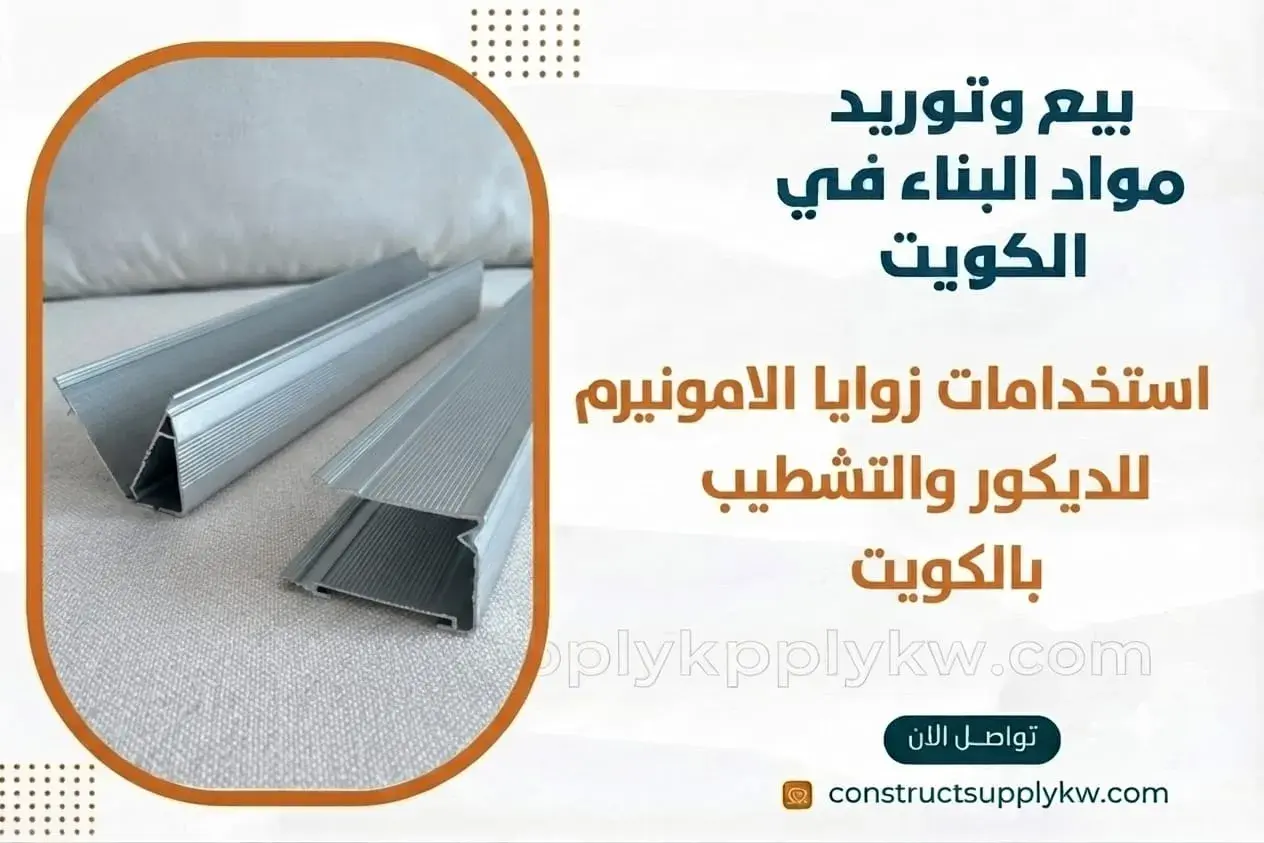
Many project owners concentrate primarily on paint quality or decorative finishes, while the real quality of finished walls begins with the structural elements that eventually become hidden beneath the plaster itself, including plaster corner beads and expansion joints. These components perform essential engineering functions by maintaining perfectly straight corners, controlling structural movement, and protecting plaster finishes against cracking caused by thermal expansion and contraction. When pre-finishing materials are installed correctly, contractors can consistently produce straight, uniform corners even across extensive wall surfaces and long building façades. Expansion joints also help distribute movement-related stresses generated by temperature variation instead of allowing those forces to accumulate within plaster layers where cracks eventually appear. Practical observations from numerous construction projects throughout Kuwait demonstrate that buildings incorporating properly installed corner beads and expansion joints according to construction drawings preserve their finishing quality for considerably longer periods while requiring significantly less maintenance associated with corner damage or crack repair. Consequently, these materials should never be regarded as cosmetic accessories. They represent integral engineering components responsible for maintaining finishing stability, preserving architectural appearance, and extending the operational life of plaster systems throughout the building.
How Should a Finishing Material Checklist Be Prepared to Prevent Material Shortages During Construction?
Professional construction projects never purchase materials randomly or rely on rough estimates. Instead, a comprehensive finishing material checklist is prepared through a detailed engineering review that begins with construction drawings and continues until the daily execution schedule has been fully established. Engineers and contractors identify every component the plastering team will require from the first day of work until plastering has been completely finished while also allowing for reasonable contingency quantities to compensate for accidental damage or normal material consumption during construction. This checklist includes plaster corner beads, expansion joints, reinforcing mesh, joint treatment materials, corner fixing compounds, measuring instruments, and all primary plastering materials. Every item is then organized according to the sequence in which it will be used, ensuring that the materials required for each stage are already available before that stage begins. This systematic planning prevents work interruptions caused by missing materials and eliminates the need to purchase substitute products that may fail to satisfy project specifications. Practical experience from construction projects throughout Kuwait demonstrates that preparing a complete material schedule before execution significantly reduces waste, improves budget control, minimizes unexpected purchasing decisions, and enables the project to proceed according to its planned construction timeline. Consequently, preparing a finishing material checklist should never be viewed merely as an administrative responsibility. It represents a vital project management tool that protects execution quality while ensuring efficient construction from beginning to completion.
Why Do Corner Protection Materials Vary According to the Type of Project?
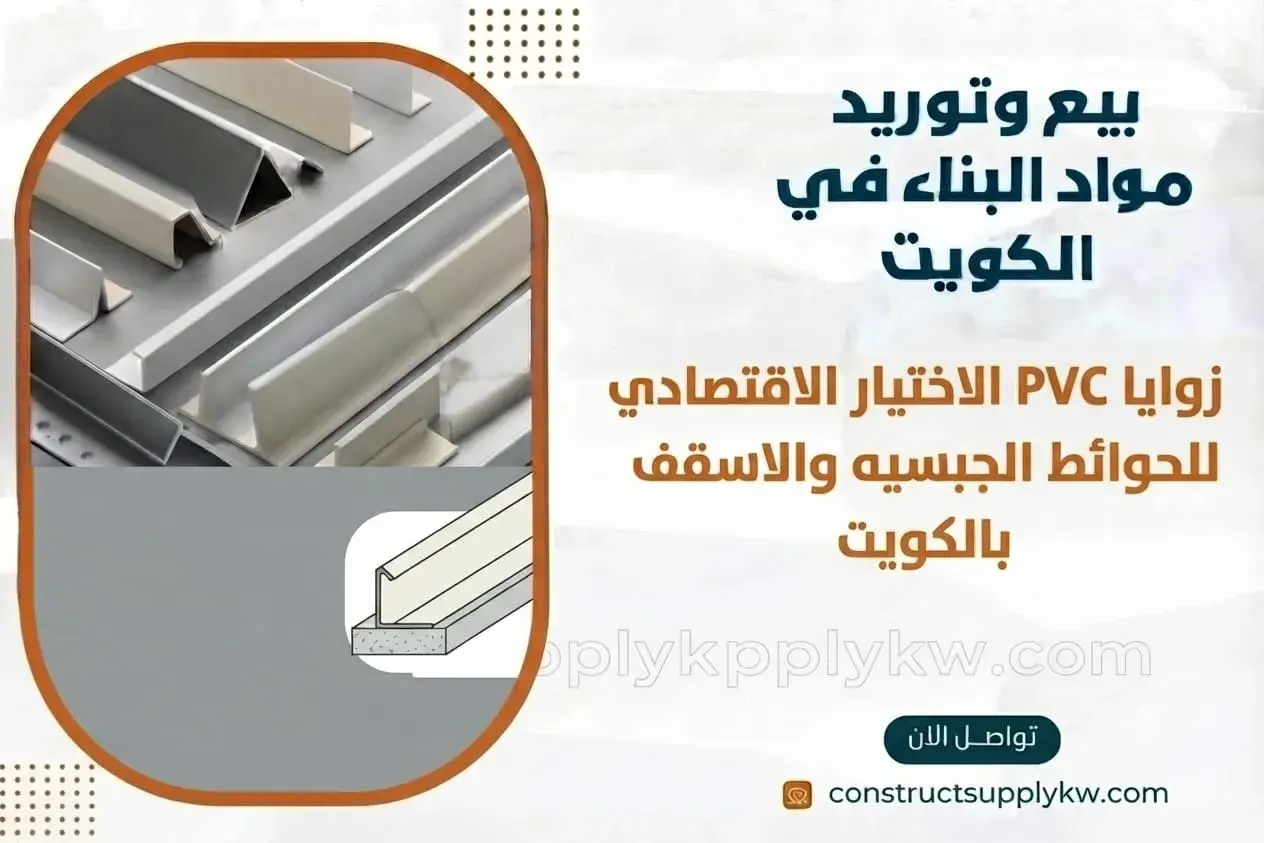
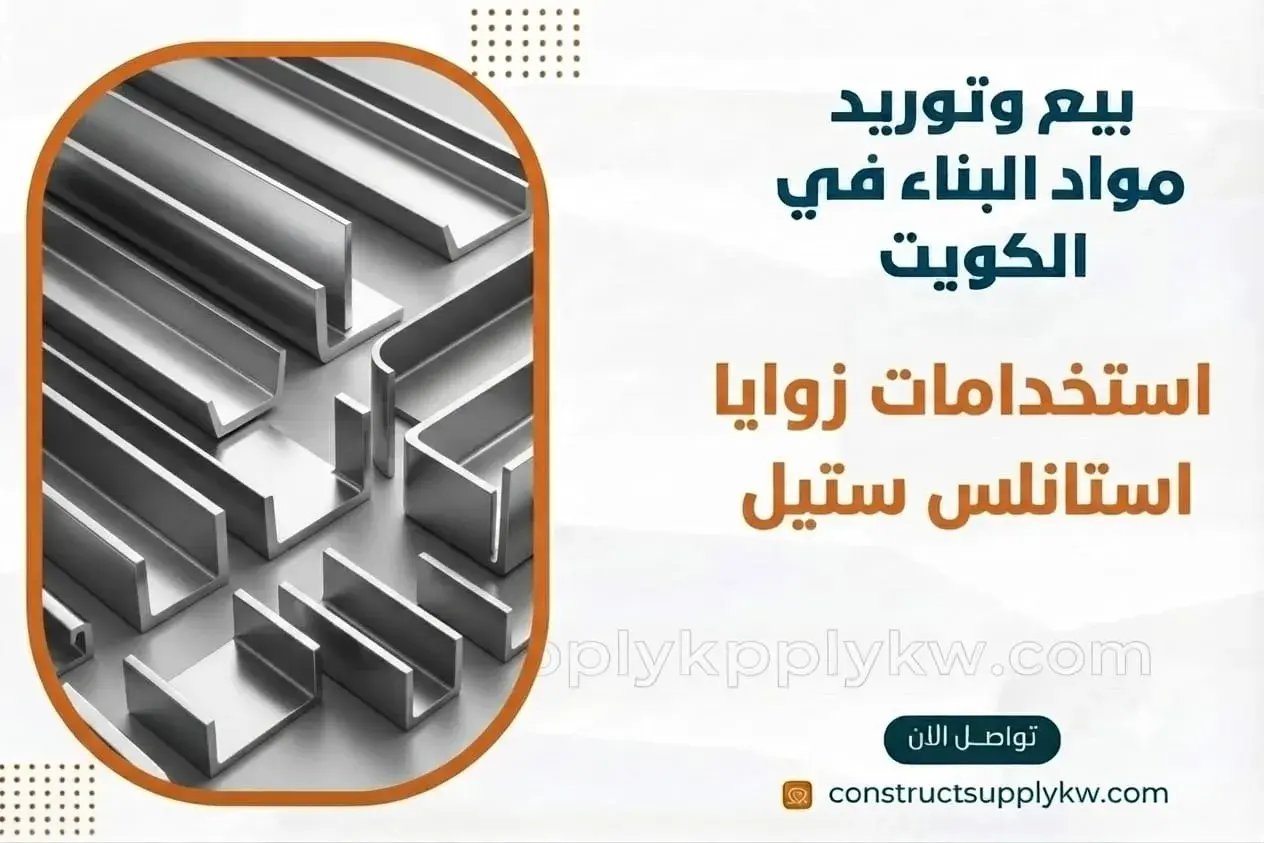
Not every corner within a building experiences identical operating conditions, making it impossible to use one universal material for every construction project without first studying the intended application. When selecting corner protection materials, engineers evaluate the location of each corner, determine whether it will be subjected to continuous impact or heavy traffic, and assess the surrounding finishing system as well as the structural characteristics of the wall itself. In some projects, galvanized steel corner beads provide the best solution because of their exceptional resistance to mechanical damage, while in other situations PVC corner beads may offer superior performance due to their resistance to moisture and reduced weight. Installation procedures also vary according to the selected corner material and the plastering system used because the objective extends beyond producing perfectly straight corners. The system must continue protecting those corners throughout many years of building operation. Practical experience from residential villas and commercial developments consistently demonstrates that selecting the correct corner protection material directly influences finishing quality while significantly reducing future maintenance associated with damaged corners or deteriorating plaster edges. Therefore, choosing the appropriate corner material deserves the same level of engineering attention as selecting the plaster itself because building corners remain among the most heavily used and vulnerable components of every finished wall.
How Do Modern Plastering Tools Improve Construction Accuracy?
Plastering technology has advanced considerably during recent years, making the use of modern plastering tools one of the most important factors influencing construction quality and reducing installation errors. Whereas traditional plastering relied heavily upon visual judgment and personal experience, today's contractors increasingly employ laser measuring equipment, digital spirit levels, precision alignment tools, modern screeds, and advanced finishing instruments that enable construction teams to identify even the smallest wall deviations before they develop into major finishing defects. These tools also assist in maintaining uniform plaster thickness, perfectly straight corners, and consistent surface alignment throughout every section of the project, ultimately improving the quality of painting, cladding, and all subsequent finishing activities. Practical applications throughout Kuwait clearly demonstrate that projects using modern measuring technology consistently outperform those relying exclusively upon traditional methods in terms of execution speed, measurement precision, reduced material waste, and overall finishing quality. Consequently, investing in professional plastering tools benefits far more than the individual plasterer. It contributes directly to superior project performance, improved construction accuracy, and significantly greater long-term finishing stability throughout the completed building.
How Do Proper Plastering Requirements Influence the Quality of Every Finishing Stage That Follows?
When observing a completed construction project, attention is often drawn to the quality of the paintwork, decorative coatings, ceramic installation, or architectural cladding. However, the success of every one of these finishing elements depends fundamentally upon the quality of the plastering work completed beforehand. For this reason, complying with all plastering requirements is not simply intended to complete one construction phase successfully. It creates a stable and reliable foundation upon which every subsequent finishing operation can be built without future complications. These requirements begin with carefully inspecting wall alignment, correcting structural imperfections before plaster application, installing plaster corner beads and expansion joints in their designated locations, and maintaining the specified plaster thicknesses without making unplanned adjustments during execution. Engineers also ensure that plaster materials are mixed according to approved proportions while monitoring curing conditions and moisture levels to achieve maximum adhesion and structural stability. Practical experience gathered from numerous construction projects throughout Kuwait consistently demonstrates that projects fully complying with these requirements achieve noticeably higher finishing quality during every later stage. Paint finishes become smoother and more uniform, decorative cladding is installed with greater precision, and the need for corrective fillers or cosmetic repairs is significantly reduced. Consequently, successful finishing work begins with respecting every plastering requirement and recognizing that this stage should never be treated as an area where engineering standards can be relaxed.
Why Should Finishing Site Preparation Be Considered Part of Quality Management Rather Than Simple Site Organization?
Many contractors regard finishing site preparation merely as an organizational task intended to simplify worker movement throughout the construction area. Practical construction experience proves otherwise. Proper site preparation directly influences execution quality, material protection, workforce productivity, and overall construction efficiency. Before plastering crews arrive, construction debris is removed, remaining structural waste is cleared away, storage areas for finishing materials are carefully organized, and environmental conditions are prepared to prevent moisture or physical damage to stored products. Adequate lighting, water supplies, and electrical services are also arranged before work begins, while completed flooring and previously finished building elements are protected against accidental damage during plastering operations. Engineers additionally inspect openings, corners, and wall intersections to verify that every area is fully prepared before execution starts because identifying construction issues during this stage is considerably easier and less expensive than correcting them after plaster application has already been completed. Practical observations from construction projects across Kuwait demonstrate that well-organized sites consistently achieve higher productivity, fewer execution errors, and better overall construction quality because workers remain focused on craftsmanship instead of wasting valuable time relocating materials or searching for equipment. Consequently, finishing site preparation should always be recognized as an integral component of the project's quality management system rather than merely a temporary organizational measure before construction begins.
What Distinguishes Professional Plastering Work from Traditional Construction Methods?
The true distinction between professional plasterers and traditional construction methods is not measured solely by work speed or years of experience. It lies in the systematic engineering methodology followed from the moment construction begins until every wall has been completed. The fundamentals of professional plastering work are based upon careful planning, thorough drawing review, proper material selection, precision measuring equipment, and a structured execution sequence in which no stage begins until the previous stage has been fully inspected and approved. Professional plasterers devote exceptional attention to details such as perfectly aligned corners, accurately positioned expansion joints, consistent plaster thicknesses, and proper treatment of transitions between different construction materials because these details directly determine the overall quality of the finished building. Practical experience from numerous projects clearly demonstrates that this disciplined engineering methodology does far more than improve the visual appearance of completed walls. It reduces material consumption, minimizes construction waste, lowers future repair costs, and substantially decreases the likelihood of corrective work after project completion. Consequently, professionalism in plastering should never be measured solely by practical experience. It should be evaluated according to the ability to execute every construction stage within a comprehensive engineering system that consistently delivers superior finishing quality, long-term durability, and stable building performance.
Conclusion
Preparing plaster corner beads and expansion joints is one of the most influential stages in determining the quality of finishing work long before plaster is actually applied. It forms the engineering foundation upon which every subsequent finishing activity depends. Every decision made during this stage, whether related to selecting the appropriate materials, preparing wall surfaces, or organizing the construction site, directly affects finishing accuracy, construction efficiency, and the
Throughout this article, plastering work has been examined from a different perspective by focusing on the stage that precedes finishing rather than on plaster application alone. It has demonstrated that selecting the essential plastering materials is not simply a matter of purchasing construction supplies. Instead, it requires understanding the engineering function of every material and ensuring that each component is fully compatible with the project's construction method and finishing system.
The article also explored the importance of plastering preparation requirements, explaining that preparing every required material before the plastering team arrives helps maintain construction continuity, reduces material waste, and prevents contractors from relying on substitute products that may fail to satisfy engineering specifications. It further explained that plaster corner beads and expansion joints should never be regarded as decorative accessories because they perform vital engineering functions by maintaining wall alignment, controlling structural movement, and minimizing the likelihood of future cracking.
Attention was also given to the preparation of a professional finishing material checklist, demonstrating that accurate planning of material quantities and specifications contributes directly to better budget control, improved project management, and more efficient construction scheduling. The discussion further explained why corner treatment materials differ from one project to another according to building type, operating conditions, and finishing requirements, showing that selecting the appropriate material significantly improves corner durability and extends the service life of completed finishes.
The article also highlighted the role of modern plastering tools in improving measurement accuracy, construction precision, and execution quality. It explained the direct relationship between complying with every plastering requirement and the successful completion of painting, decorative finishes, cladding systems, and every subsequent finishing stage. Furthermore, it emphasized that finishing site preparation should always be regarded as an essential element of quality management rather than merely organizing the construction area before work begins.
The final sections demonstrated that the fundamentals of professional plastering work are based upon careful planning, continuous inspection, appropriate material selection, and the use of precision construction tools instead of relying solely upon speed of execution. This engineering methodology produces more stable projects, reduces construction errors, lowers future maintenance costs, and provides building owners with finishing systems capable of maintaining their appearance and performance for many years.
Practical experience gained from construction projects throughout Kuwait consistently demonstrates that many finishing defects appearing after project completion are not caused by poor plaster quality itself. Instead, they usually result from neglecting the preparation stage, selecting inappropriate materials, or beginning construction without a structured engineering plan. For this reason, investing sufficient time in understanding project requirements, preparing every necessary material, and organizing construction activities before plastering begins represents one of the most valuable decisions that can be made to ensure long-term project success.
Ultimately, professional finishing does not begin with the first layer of plaster. It begins with careful planning, selecting the correct materials, preparing the construction site properly, and following approved engineering specifications throughout every stage of execution. When these principles are consistently applied, every subsequent finishing operation becomes more accurate, more durable, and better able to preserve both its appearance and structural performance throughout the operational life of the building.
Frequently Asked Questions
What Are the Essential Plastering Materials That Should Be Prepared Before Finishing Begins?
They include plaster corner beads, expansion joints, reinforcing mesh, corner fixing materials, crack repair compounds, precision measuring equipment, and all approved plastering materials specified for the project.
Why Is the Plaster Preparation Stage Important Before Construction Begins?
Because it ensures that all required materials are available, construction activities proceed without interruption, execution errors are minimized, and every finishing stage follows approved engineering specifications.
What Is the Purpose of Plaster Corner Beads?
They maintain perfectly straight corners, protect exposed wall edges from impact damage, and improve the overall appearance and durability of finished plaster surfaces.
Are Expansion Joints Considered Essential Pre-Finishing Materials?
Yes. Expansion joints are planned and installed before plaster application to accommodate natural building movement and reduce the likelihood of future cracking.
How Should a Finishing Material Checklist Be Prepared?
It should be developed by reviewing construction drawings, calculating required quantities accurately, verifying material specifications, and ensuring compatibility with the project's engineering requirements before execution begins.
Why Do Corner Protection Materials Differ Between Projects?
Because operating conditions, corner locations, finishing systems, environmental exposure, and project requirements vary from one building to another, requiring different engineering solutions.
Do Professional Plastering Tools Improve Construction Quality?
Absolutely. Precision measuring tools improve alignment accuracy, wall straightness, plaster consistency, and overall finishing quality while reducing execution errors.
Why Is Finishing Site Preparation So Important?
Proper site preparation improves workforce productivity, protects construction materials, reduces waste, prevents execution errors, and allows engineers to identify potential problems before plastering begins.
What Are the Most Common Mistakes Before the Plastering Stage?
Common mistakes include incomplete material preparation, inadequate wall cleaning, improper storage of finishing materials, failure to inspect wall alignment, and beginning plastering before completing the preparation stage.
How Does Proper Preparation Contribute to Project Success?
Careful preparation improves finishing quality, reduces repair costs, increases construction efficiency, minimizes execution errors, and significantly extends the operational life of plaster finishes and all subsequent decorative systems.
.jpeg)