Many people assume that all tile and stone adhesives perform the same function and that any adhesive can be used for marble or natural stone installations without affecting long-term performance. In reality, this assumption is inaccurate. Marble and natural stone are significantly heavier than conventional ceramic tiles, vary in thickness, and possess physical characteristics that require specially engineered adhesive systems. Choosing the correct marble adhesive is therefore a critical factor in ensuring structural stability, long-term durability, and the preservation of the stone's appearance. Certain natural stones are also sensitive to moisture and chemical compounds contained in unsuitable adhesives, which may result in discoloration, staining, or reduced bond strength over time. This guide explains the fundamental differences between marble adhesives and conventional tile adhesives while examining the essential technical specifications, proper installation practices, common installation mistakes, and the criteria professionals use when selecting the most appropriate adhesive for marble and natural stone projects throughout Kuwait.
Marble Adhesive
.webp)
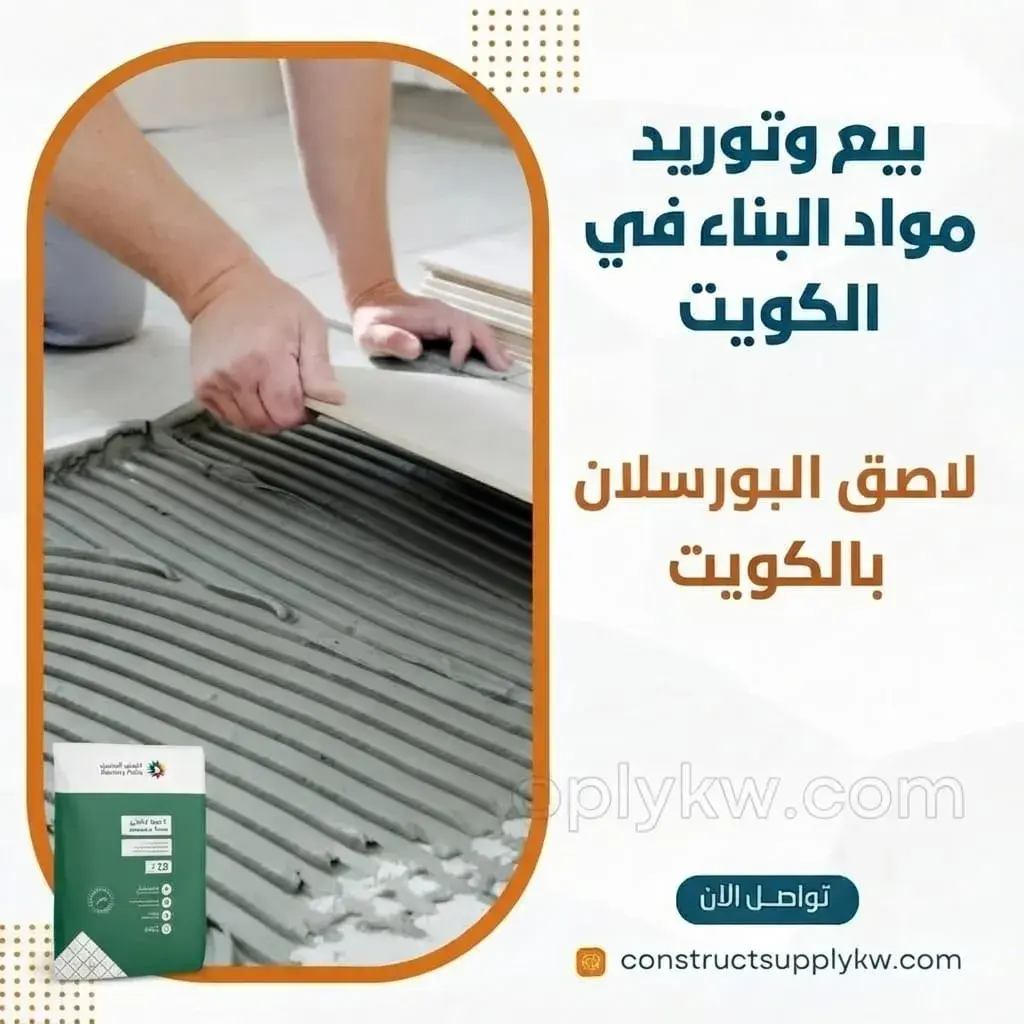
Marble adhesive is a specialized bonding material developed specifically to meet the demanding technical requirements of natural and engineered marble installations. Its role extends far beyond simply attaching marble to a surface. It must provide sufficient structural support to carry the substantial weight of marble slabs while maintaining long-term adhesion under varying environmental and service conditions. Marble differs from ceramic tiles in several important respects, including weight, moisture absorption characteristics, density, and sensitivity to certain chemical components. Using an unsuitable adhesive may therefore lead to staining, discoloration, inadequate adhesion, or eventual separation of the marble from the substrate. Experience gained from residential villas, hotels, luxury commercial developments, and public buildings throughout Kuwait consistently demonstrates that successful marble installations begin with selecting an adhesive specifically matched to the marble type, installation location, substrate condition, and environmental exposure. The adhesive color must also be considered when installing light-colored or partially translucent marble because darker adhesives may alter the finished visual appearance. For this reason, manufacturers offer specialized formulations designed for white marble, dark marble, sensitive natural stones, and both interior and exterior applications. When the correct adhesive is selected and applied according to technical recommendations, it provides exceptional bond strength while preserving the marble's natural beauty, preventing discoloration, and minimizing the likelihood of long-term structural problems.
-
Specifically engineered to support the substantial weight of marble slabs.
-
Provides stronger long-term adhesion than ordinary tile adhesives.
-
Reduces the risk of discoloration in sensitive marble varieties.
-
Available for both interior and exterior installations depending on product specifications.
-
Selected according to the physical characteristics of each marble type.
-
Helps maintain installation stability for many years.
-
Requires proper mixing and installation procedures for optimal performance.
-
Available in multiple colors suitable for light and dark marble.
-
Minimizes future maintenance resulting from adhesive failure.
-
Forms the foundation of professional marble installation systems.
Natural Stone Adhesive
Natural stone adhesive differs from many conventional adhesive products because natural stone is not a uniform material. Every stone variety possesses unique density, porosity, weight, mineral composition, and moisture absorption characteristics, making product selection a highly technical process. Limestone behaves differently from granite, while marble has installation requirements distinct from sandstone or slate. Each material therefore requires an adhesive formulation capable of delivering the appropriate combination of bond strength, flexibility, moisture resistance, and compatibility with the stone itself. Practical experience from façade systems, luxury interiors, and architectural stone projects consistently shows that using adhesives not specifically designed for natural stone may result in poor adhesion, staining, or moisture migration that eventually affects the stone's appearance. Leading international manufacturers therefore develop products specifically formulated for natural stone applications, balancing strong adhesion with protection of the stone's structural and aesthetic integrity. Professional installers also review the stone supplier's technical recommendations before selecting an adhesive because certain stone manufacturers specify approved installation systems to preserve warranty coverage and long-term performance. Treating natural stone as a specialized construction material rather than merely a decorative finish distinguishes professional installation practices from temporary solutions that may appear successful initially but develop failures over time.
-
Designed to accommodate the diverse characteristics of natural stone.
-
Provides bond strength appropriate for heavy stone installations.
-
Helps reduce moisture migration into sensitive stone materials.
-
Preserves the natural appearance and color of stone surfaces.
-
Selected according to the manufacturer's installation recommendations.
-
Available in formulations designed for specific stone applications.
-
Suitable for both façade and interior architectural projects.
-
Selection is based on stone characteristics rather than price alone.
-
Reduces the likelihood of long-term stone detachment.
-
Improves the quality and durability of professional installations.
Marble Glue
The term marble glue is widely used in the construction industry to describe adhesives intended for marble installations, but it actually refers to several different categories of bonding materials with distinct chemical compositions, performance characteristics, and application methods. Cement-based polymer-modified adhesives are commonly used for conventional marble installations, while epoxy and resin-based systems are selected for specialized projects requiring exceptional bond strength, chemical resistance, or structural repair. Certain products are specifically developed for crack repair, small component bonding, or restoration work rather than full-scale installation. Consequently, selecting the appropriate marble glue should never depend solely on its commercial name. Instead, professionals evaluate the project requirements, marble type, slab dimensions, installation environment, substrate condition, and expected service loads before specifying the correct product. Engineers also consider open time, curing speed, workability, and the adhesive's suitability for vertical or horizontal applications because these characteristics directly influence installation quality. Practical experience consistently demonstrates that choosing the correct marble glue from the beginning significantly reduces future repair costs while providing greater long-term structural stability and preserving the quality of premium marble finishes.
-
Includes several adhesive technologies designed for different applications.
-
Product selection should never depend solely on commercial terminology.
-
Available in cement-based, epoxy, and resin formulations.
-
Suitable for installation, repair, or restoration depending on product type.
-
Open time and curing characteristics vary between products.
-
Must be compatible with the selected marble variety.
-
Provides reliable long-term structural bonding.
-
Should always be used according to manufacturer recommendations.
-
Reduces installation failures caused by unsuitable product selection.
-
Produces more durable and professional marble installations.
Marble Wall Installation
Marble wall installation demands considerably greater engineering precision than conventional tile installation because the continuous force of gravity places permanent stress on vertically installed marble panels. The adhesive must therefore provide not only high bond strength but also excellent slip resistance to prevent movement before curing is complete. Professional installation begins with evaluating the structural integrity of the wall, ensuring that plaster, concrete, or other substrates are sound, clean, and capable of supporting the anticipated loads. The adhesive is then selected according to marble type, slab dimensions, installation height, and environmental conditions. Uniform adhesive coverage behind every marble panel is essential for achieving consistent load distribution and eliminating unsupported voids. Large-format marble panels may additionally require mechanical anchoring systems alongside the adhesive, depending on engineering specifications and safety requirements. Practical experience shows that most wall installation failures result not from defective marble but from inadequate substrate preparation, poor adhesive selection, or incorrect installation techniques. Successful marble wall systems therefore rely on the complete integration of surface preparation, adhesive performance, installation expertise, and strict compliance with engineering specifications.
-
Installation begins with verifying substrate structural capacity.
-
Requires adhesives with outstanding slip resistance.
-
Demands complete adhesive coverage behind every marble panel.
-
May require supplemental mechanical anchoring for large slabs.
-
Adhesive selection depends on slab dimensions and application conditions.
-
Weak or damaged substrates must be repaired before installation.
-
Professional installation significantly improves long-term safety.
-
Reduces the likelihood of future slab movement or detachment.
-
Produces cleaner, more stable architectural finishes.
-
Success depends on complete compliance with engineering requirements.
Natural Stone Installation
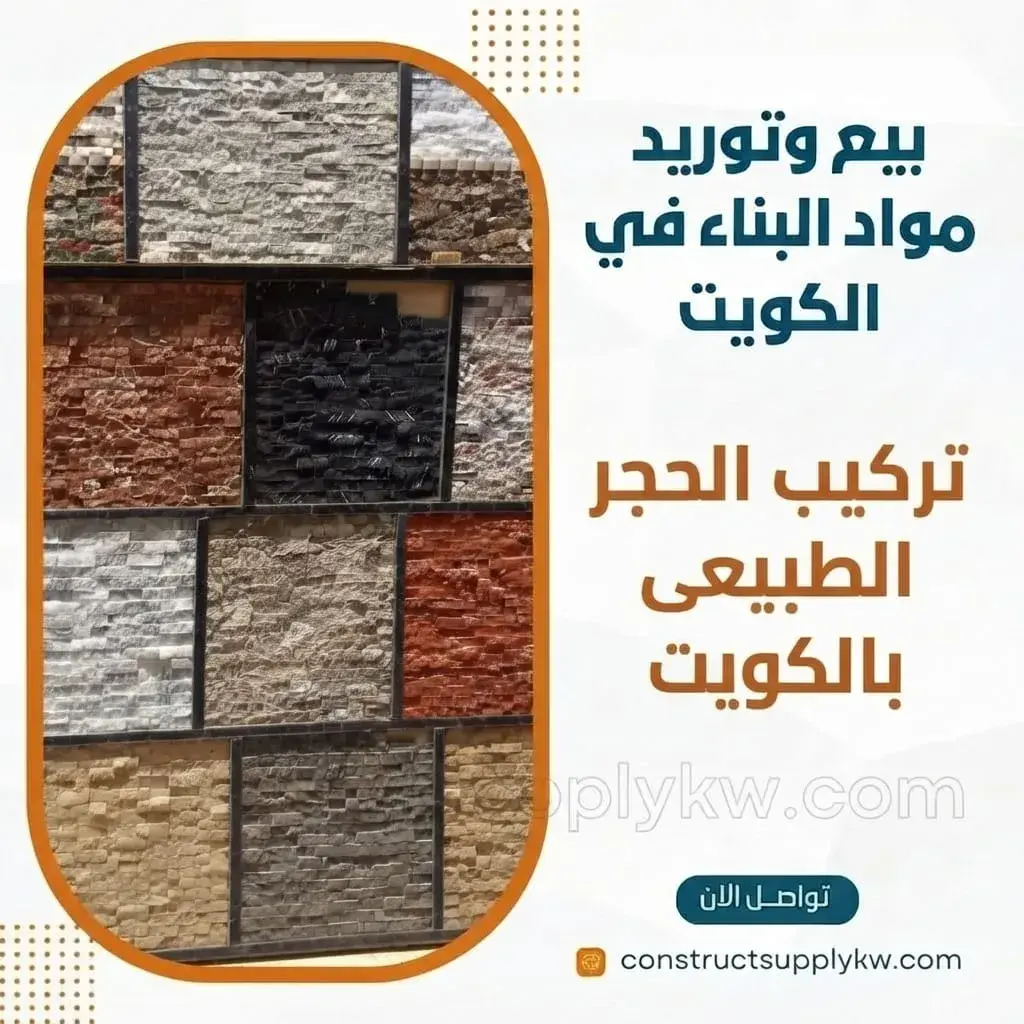
Natural stone installation requires a thorough understanding of each stone's physical characteristics before work begins because no two natural stones behave identically. Variations in density, porosity, thickness, weight, and mineral composition directly influence adhesive selection and installation methods. Professional installation therefore starts by identifying the stone type, evaluating the installation environment, and selecting an adhesive specifically compatible with those characteristics. Substrates should be properly prepared and leveled before installation because adhesives are not intended to compensate for significant surface irregularities. Load distribution across stone panels, consistent joint spacing, and careful positioning all contribute to long-term stability and visual quality. Experience from professional construction projects demonstrates that adherence to these engineering principles dramatically reduces cracking, uneven surfaces, debonding, and other long-term installation problems. Natural stone installation should therefore be viewed as a precise engineering process requiring technical planning and skilled workmanship rather than simply placing decorative materials onto a wall or floor.
-
Begins with identifying the exact stone type.
-
Requires a properly prepared and level substrate.
-
Distributes loads evenly across installed stone panels.
-
Maintains consistent joint spacing throughout the installation.
-
Adhesive selection depends on stone properties.
-
Proper installation reduces future cracking and movement.
-
Improves the overall quality of architectural finishes.
-
Suitable for interior and exterior applications when correctly specified.
-
Values precision over installation speed.
-
Delivers longer service life for natural stone systems.
Heavy Stone Adhesive
Heavy stone adhesive is specifically engineered to support the substantial weight of thick marble, granite, and large natural stone panels used in premium architectural applications. Unlike standard tile adhesives, these products are formulated to provide exceptional bond strength while maintaining the stability of heavy stone during installation, particularly on vertical surfaces where gravity creates continuous downward force. Many premium heavy-duty adhesives incorporate advanced polymer technology that improves cohesion, increases long-term durability, and enhances resistance to sustained structural loads without compromising flexibility. Practical experience from commercial buildings, luxury villas, hotels, and exterior façade projects throughout Kuwait consistently shows that using an adhesive not designed for heavy stone can result in panel slippage during installation or reduced long-term performance, even when the stone itself is of excellent quality. Professional engineers therefore evaluate slab dimensions, total weight, installation location, and environmental exposure before selecting the appropriate adhesive system. Equally important is strict compliance with the manufacturer's recommendations regarding mixing ratios, application thickness, curing conditions, and installation procedures. High bond strength alone is not sufficient; the adhesive must function as part of a complete installation system that includes proper substrate preparation and professional workmanship. When these factors work together, heavy stone installations achieve outstanding structural reliability and significantly longer service life.
-
Specifically formulated to support the weight of large natural stone panels.
-
Provides excellent initial grab during vertical installations.
-
Reduces the risk of stone movement before full curing.
-
Suitable for façades, feature walls, and luxury architectural finishes.
-
Contains performance-enhancing additives for long-term durability.
-
Requires application at the recommended adhesive thickness.
-
Compatible with demanding residential and commercial projects.
-
Improves structural safety for heavy stone installations.
-
Helps reduce future maintenance caused by bond failure.
-
Represents the preferred solution for high-load stone applications.
Marble Slip Resistance
.webp)
Although marble slip resistance is primarily determined by the stone's surface finish and texture, installation quality plays an equally important supporting role in achieving safe flooring performance. Proper adhesive coverage beneath each marble slab ensures complete structural support and minimizes the possibility of slight movement that may develop over time. Uneven slabs, inadequate bonding, or height differences between adjacent pieces can create trip hazards even when slip-resistant marble has been selected. For this reason, engineers evaluate both the marble's slip-resistance rating and the installation system as a single integrated solution rather than treating them as independent factors. In Kuwait, exterior entrances, terraces, swimming pool areas, public walkways, and commercial facilities frequently require marble finishes with higher slip resistance due to exposure to water and heavy pedestrian traffic. Choosing the appropriate surface finish together with a high-performance adhesive helps preserve the floor's long-term stability while maintaining consistent walking safety. Practical experience demonstrates that durable flooring systems result from combining suitable stone selection, professional installation practices, complete adhesive support, and careful leveling throughout the project. Safety therefore depends on the entire installation system rather than on the marble alone.
-
Proper installation supports long-term flooring stability.
-
Complete adhesive coverage reduces uneven slab movement.
-
Professional leveling minimizes trip hazards.
-
Slip-resistant finishes are recommended for wet environments.
-
Suitable for entrances, terraces, and commercial walkways.
-
Requires adhesives capable of maintaining long-term stability.
-
Improves pedestrian safety throughout the building's service life.
-
Supports architectural projects with demanding safety requirements.
-
Combines material selection with installation quality.
-
Contributes to reliable long-term flooring performance.
Marble Adhesive Specifications
The specifications of marble adhesive determine whether a product is capable of meeting the demanding requirements of marble and natural stone installations. Professional selection should never rely solely on product branding or price because every project requires objective evaluation of technical performance. Engineers typically review bond strength, slip resistance, open time, adjustment time, flexibility, recommended adhesive thickness, compatibility with moisture-sensitive stones, and curing characteristics before approving any adhesive. Reliable products should also comply with recognized international performance standards and include independent laboratory certifications verifying manufacturing consistency and technical performance. Additional specifications often describe recommended applications for interior and exterior installations, acceptable environmental conditions, mixing instructions, substrate requirements, and long-term durability characteristics. Reviewing these technical documents enables contractors to compare competing products objectively while selecting adhesives based on engineering performance rather than advertising claims. Experience consistently shows that projects using properly specified adhesives achieve greater durability, lower maintenance costs, and more reliable long-term performance than projects where product selection is based primarily on cost considerations. Technical specifications therefore remain the most dependable reference for selecting marble adhesives capable of delivering lasting structural stability.
-
Define bond strength and overall adhesive performance.
-
Specify slip resistance and flexibility characteristics.
-
Include recommended adhesive thickness and mixing procedures.
-
Confirm compatibility with sensitive natural stones.
-
Reference compliance with recognized international standards.
-
Support objective comparison between competing products.
-
Guide engineers during product selection.
-
Identify approved interior and exterior applications.
-
Reduce the likelihood of selecting unsuitable materials.
-
Provide the technical foundation for successful installations.
Open Time of Marble Adhesive
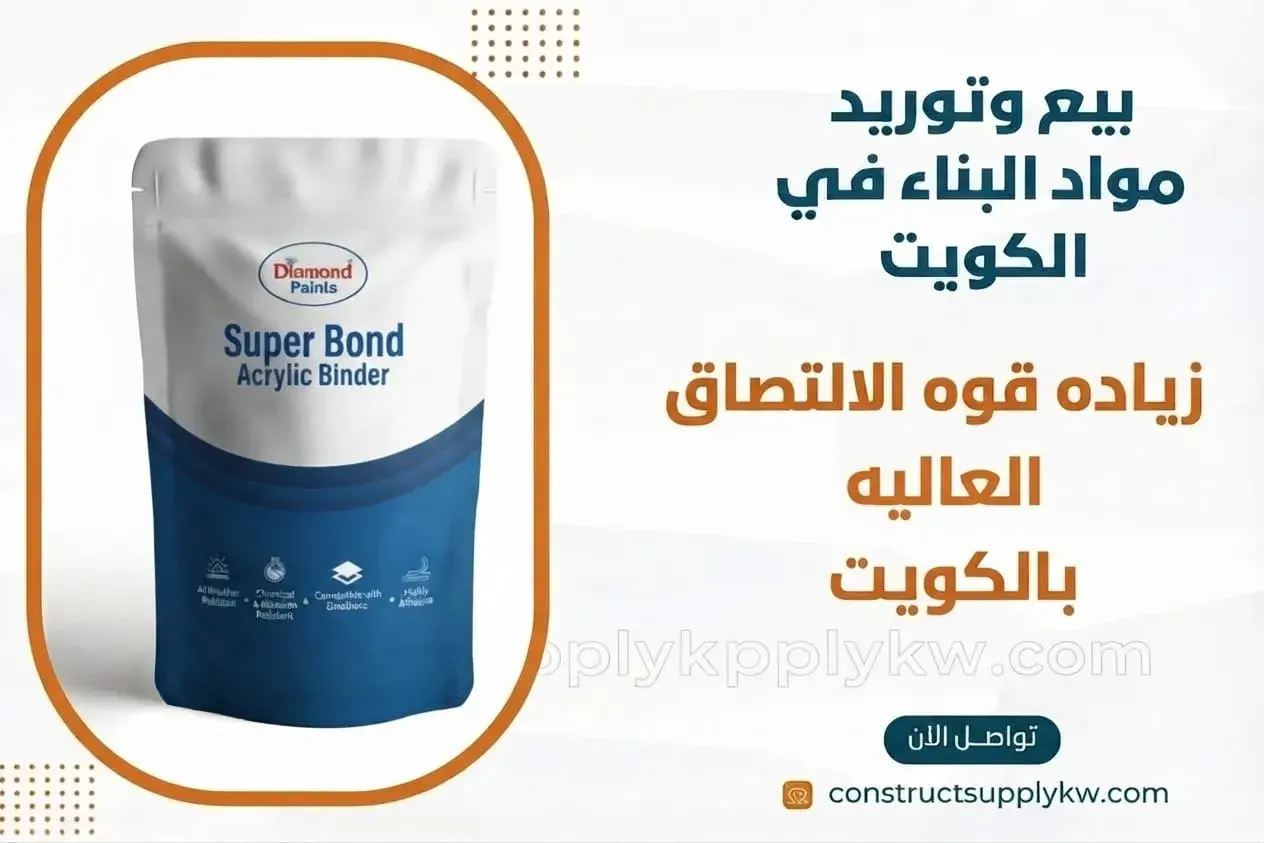
The open time of marble adhesive refers to the period during which the adhesive remains capable of forming an effective bond after application and before the surface begins to lose its bonding performance. This characteristic becomes especially important when installing large marble slabs because positioning, alignment, and adjustment require considerably more time than conventional tile installations. If marble is placed after the adhesive has exceeded its open time, the resulting bond may be significantly weaker even though the installation initially appears satisfactory. Professional installers therefore prepare adhesive quantities that match their actual installation speed rather than mixing excessive amounts that cannot be used within the specified working period. Environmental conditions such as high temperatures, direct sunlight, and strong airflow may shorten the available open time considerably, making careful planning particularly important during Kuwait's summer months. Installers should also avoid re-tempering adhesive with additional water after it begins to set because this practice permanently alters its engineered performance characteristics. Managing open time correctly not only simplifies installation but also ensures that the adhesive develops its intended bond strength throughout the entire marble installation system.
-
Determines the usable installation period after adhesive application.
-
Directly influences final bond quality.
-
Varies according to temperature and environmental conditions.
-
Adhesive quantities should match actual installation speed.
-
Additional water should never be added after setting begins.
-
Allows accurate positioning of large marble panels.
-
Improves efficiency on large construction projects.
-
Must always follow manufacturer recommendations.
-
Reduces failures caused by improper timing.
-
Plays a critical role in successful marble installations.
Best Adhesive for Natural Stone
There is no universally accepted product that can be described as the best adhesive for natural stone because the correct choice depends entirely on the engineering requirements of each individual project. Professional selection begins with evaluating the stone type, panel dimensions, weight, installation location, substrate condition, environmental exposure, and expected service conditions. Exterior façade systems require different performance characteristics from interior flooring applications, while highly porous stones demand adhesive formulations different from dense, low-absorption materials. Engineers therefore compare technical data sheets, laboratory certifications, performance classifications, and manufacturer recommendations before selecting an adhesive rather than relying solely on brand recognition or purchase price. Important evaluation criteria include bond strength, flexibility, slip resistance, open time, long-term durability, ease of application, and compatibility with the selected natural stone. Practical experience consistently demonstrates that superior long-term performance results when technically appropriate adhesives are combined with proper substrate preparation, skilled installation teams, and strict adherence to installation procedures. The best adhesive is therefore not the least expensive or the most heavily marketed product, but the one whose verified technical performance most closely matches the specific requirements of the project while providing reliable structural stability for many years.
-
Selected according to the stone type and project requirements.
-
Prioritizes technical performance over purchase price.
-
Provides reliable adhesion for heavy natural stone installations.
-
Suitable for interior and exterior applications when properly specified.
-
Compatible with manufacturer recommendations for specific stone varieties.
-
Helps reduce future maintenance and repair costs.
-
Delivers long-term structural stability.
-
Requires professional installation for maximum performance.
-
Improves the quality and durability of finished architectural projects.
-
Represents a long-term investment in building reliability.
Conclusion
Selecting the appropriate adhesive for marble and natural stone is far more than a purchasing decision—it is an engineering choice that directly affects installation quality, structural safety, long-term durability, and the finished appearance of the project. Throughout this guide, we explored the fundamental differences between marble adhesive and conventional tile adhesive, examined the characteristics of natural stone adhesives, explained the various types of marble glue, reviewed the requirements for marble wall installation, discussed professional natural stone installation methods, analyzed adhesives designed for heavy stone applications, highlighted the importance of slip resistance, examined the essential technical specifications of marble adhesives, explained the significance of open time during installation, and outlined the criteria professionals use when selecting the best adhesive for natural stone. When the correct adhesive is combined with proper substrate preparation, skilled workmanship, and strict compliance with technical recommendations, marble and natural stone installations deliver exceptional durability, structural stability, and timeless architectural beauty for decades.
Frequently Asked Questions
Can ordinary tile adhesive be used to install marble?
While it may appear suitable for certain light-duty applications, most marble and natural stone installations require specialized adhesives that provide the bond strength, flexibility, and performance characteristics needed to support heavier materials safely.
Why does marble require a different adhesive?
Marble is significantly heavier than conventional ceramic tiles and may also be sensitive to moisture and certain chemical compounds. Specialized marble adhesives are designed to accommodate these characteristics while preserving both structural integrity and appearance.
Do all natural stones use the same adhesive?
No. Different natural stones vary in density, porosity, weight, and mineral composition. Adhesive selection should always match the specific stone type, manufacturer recommendations, and project requirements.
Why is open time important during marble installation?
Open time determines how long the adhesive can develop an effective bond after application. Exceeding this period may significantly reduce adhesion, particularly when installing large marble panels that require extended positioning and adjustment.
How do professionals choose the best adhesive for natural stone?
Professionals evaluate the stone type, panel size, weight, installation location, environmental conditions, technical performance data, laboratory certifications, and manufacturer recommendations to ensure the adhesive matches the project's engineering requirements rather than simply selecting the lowest-priced product.
.webp)
.webp)