Backfill Sand Uses in Foundations and Engineered Fill Layers
Many people assume that backfilling is simply a finishing step that takes place after the major construction work has been completed. In reality, however, it is one of the most critical stages that determines the long-term stability and performance of any structure. Even when high-quality concrete and premium reinforcing steel are used, improperly executed backfilling can lead to floor settlement, slab cracking, uneven surfaces, and structural problems that are expensive and difficult to repair later. For this reason, engineers never select just any available sand for backfilling. Instead, they specify backfill sand according to strict engineering requirements that match the soil conditions, structural loads, and project specifications. In modern construction projects throughout Kuwait, the quality of backfill materials, proper compaction methods, and field testing procedures have become essential components of quality assurance because they directly affect foundation stability and every construction activity built above them.
Backfill Sand

Backfill sand is one of the most widely used construction materials during the early stages of project execution, yet it is often underestimated despite its direct influence on the overall stability of a building. The purpose of backfill sand extends far beyond simply filling excavated areas after foundation work or leveling a construction site. Instead, it is selected to create a stable engineered base capable of supporting future structural loads without excessive settlement or soil movement. For this reason, professional construction companies never rely on any available sand. They carefully select backfill sand based on engineering characteristics such as cleanliness, freedom from clay and organic matter, and its ability to achieve the required compaction levels. The shape and grading of sand particles also influence compaction efficiency because uniformly graded sand is generally easier to compact than material contaminated with impurities or irregular particle sizes. In major construction projects across Kuwait, backfill sand is supplied from approved sources that undergo continuous quality testing since variations in sand quality can affect every subsequent stage of construction. Practical field experience has repeatedly shown that many floor settlement problems appearing years after project completion are not caused by weak concrete or inadequate foundations, but rather by unsuitable backfill sand or by placing thick layers without proper compaction. Engineers therefore treat backfill sand as an essential engineering material rather than simply a filling product because the quality of this stage determines the long-term performance and stability of the entire structure.
-
Creates a stable base before structural construction begins.
-
Selected according to engineering requirements for each project.
-
Reduces the risk of long-term soil settlement.
-
Must be free from clay and harmful organic materials.
-
Produces better results when compacted in controlled layers.
-
Used in residential, commercial, and industrial developments.
-
Subject to quality testing before project approval.
-
Directly influences foundation and floor performance.
-
Improves the quality of subsequent construction activities.
-
Plays a critical role in the long-term stability of buildings.
Foundation Backfilling
Foundation backfilling is one of the most critical stages of construction because mistakes made during this process can affect every structural element that follows. After foundation footings, grade beams, retaining walls, or other reinforced concrete components have been completed, backfilling begins according to carefully planned engineering procedures. These include cleaning the excavation, removing construction debris, placing approved backfill material in successive layers, and compacting each layer individually before adding the next. This systematic approach prevents the formation of hidden voids within the soil that could later cause differential settlement beneath the structure. Engineers also ensure that heavy compaction equipment is not operated too close to newly constructed concrete elements until they have achieved sufficient design strength to resist construction loads. In professionally managed projects, work never proceeds to the next backfill layer until the previous layer has successfully met all required compaction standards and testing requirements. Field experience consistently demonstrates that following proper foundation backfilling procedures significantly reduces future issues such as floor cracking, pavement settlement, and uneven movement around buildings. Backfilling is therefore not considered a secondary construction activity but rather an integral part of the structural execution process that influences every stage of the project. The closer the work follows engineering specifications, the greater the soil's ability to distribute structural loads evenly while maintaining long-term stability.
-
Begins only after structural concrete is ready for backfilling.
-
Performed in successive compacted layers.
-
Prevents hidden voids within the soil.
-
Promotes even load distribution beneath structures.
-
Reduces the risk of future floor settlement.
-
Requires continuous engineering supervision.
-
Protects reinforced concrete foundation elements.
-
Depends on specification-compliant backfill materials.
-
Improves the quality of all construction above the foundations.
-
Represents a vital stage of structural construction quality.
Engineered Backfill Layers
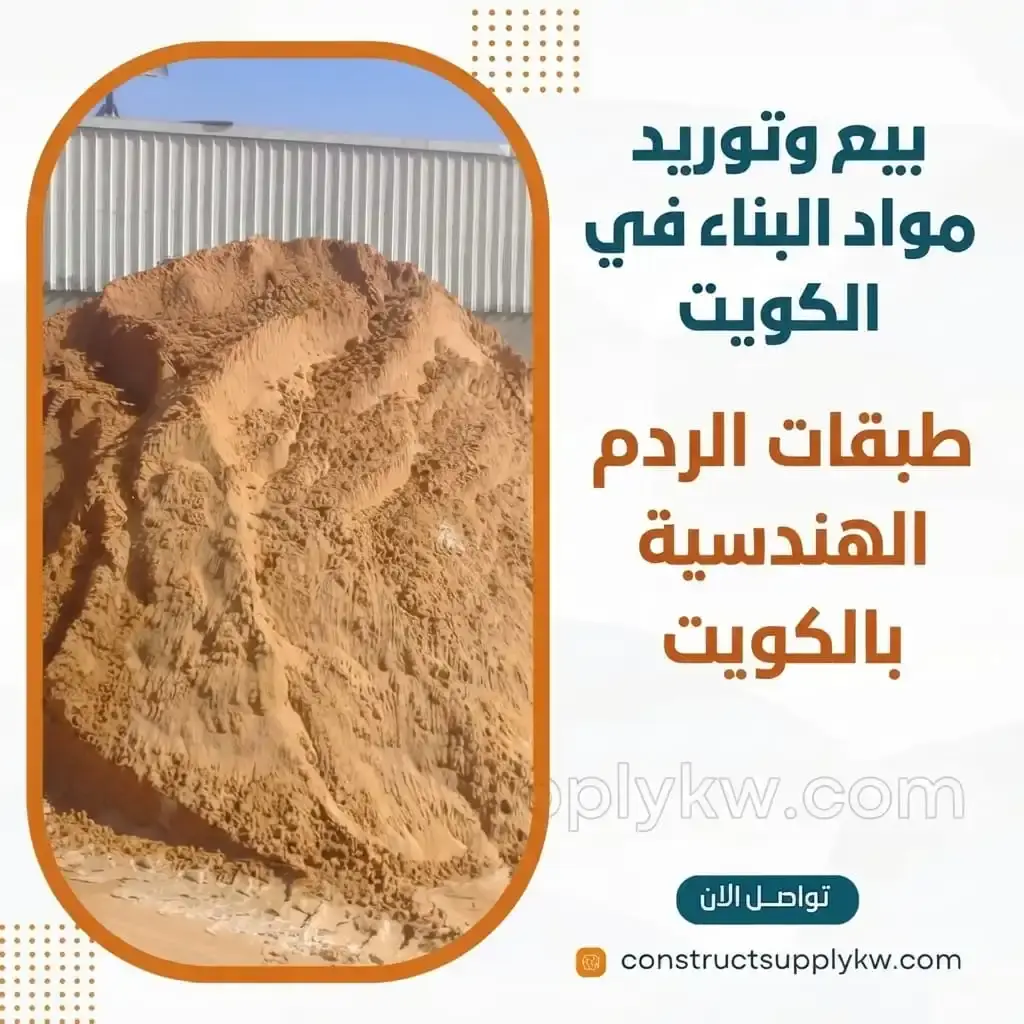
Engineered backfill layers are not determined simply by the quantity of sand placed within an excavation. Instead, their performance depends primarily on how the material is installed and compacted throughout the construction site. Engineers never allow the full excavation depth to be filled in a single operation because thick layers cannot be compacted uniformly throughout their entire depth, increasing the likelihood of gradual settlement after the project is completed. Instead, backfill is divided into carefully controlled lifts, each having a specified thickness and compacted individually before the following layer is placed. This construction method creates uniform soil density throughout the entire backfill zone while ensuring that structural loads are transferred safely and consistently into the supporting ground. In major projects throughout Kuwait, the thickness of each lift, the type of compaction equipment, and the required number of roller passes are determined according to the geotechnical report and structural design rather than personal judgment. Layer thickness also varies depending on the type of sand, site conditions, and equipment being used, meaning there is no single value suitable for every project. Practical experience confirms that strict compliance with engineered backfill procedures substantially reduces future maintenance costs because many long-term settlement problems originate from shortcuts taken during this phase. Engineered backfill layers therefore represent one of the most important quality-control stages before constructing floors, pavements, roads, and every structural element that depends on stable supporting soil.
-
Installed in controlled lift thicknesses.
-
Each layer is compacted before the next is placed.
-
Promotes better structural load distribution.
-
Prevents long-term differential settlement.
-
Lift thickness varies according to project conditions.
-
Based on geotechnical investigation reports.
-
Improves foundation preparation quality.
-
Reduces future maintenance requirements.
-
Provides long-term structural stability.
-
Forms an essential component of engineering quality control.
Soil Compaction
Soil compaction is the stage that transforms loose backfill materials into an engineered foundation capable of supporting the future loads of a building. Proper compaction is never achieved by simply driving heavy equipment over the sand several times without planning. Instead, it follows a carefully designed construction procedure that specifies the appropriate compaction equipment, lift thickness, moisture content, and the number of passes required to achieve the target density. When compaction is carried out correctly, the air voids between sand particles are significantly reduced, increasing the soil's bearing capacity while minimizing the risk of settlement under structural loads. Conversely, if these engineering requirements are ignored, the ground may appear stable during project completion but gradually settle after the building is occupied or after prolonged exposure to water infiltration or seasonal environmental changes. In major construction projects throughout Kuwait, quality-control engineers monitor every stage of the compaction process and do not permit the next layer of backfill until the previous one has met the required standards. Different types of compaction equipment are selected according to site conditions because large open areas require different machinery than confined spaces surrounding foundations or underground utilities. Practical construction experience consistently demonstrates that proper soil compaction significantly reduces problems such as slab cracking, pavement settlement, and surface deformation. Engineers therefore consider soil compaction a fundamental quality-control process rather than simply another construction activity because it directly influences the long-term safety and stability of the entire project.
-
Increases the soil's ability to support structural loads.
-
Significantly reduces air voids between sand particles.
-
Minimizes long-term settlement after construction.
-
Requires equipment selected according to site conditions.
-
Depends on maintaining proper moisture content during execution.
-
Performed separately for every backfill layer.
-
Closely monitored by quality-control engineers.
-
Improves the stability of floors, roads, and paved areas.
-
Enhances the overall quality of foundation preparation.
-
Represents one of the most important stages of engineered backfilling.
Field Density Test
.webp)
The field density test is performed to verify that compaction work carried out on site has achieved the required density specified by the project design and engineering standards because visual inspection alone is never sufficient to evaluate compaction quality. A backfilled surface may appear firm and level while still failing to meet the required engineering density, leading to future settlement after the structure is subjected to service loads. For this reason, field density testing is conducted at multiple locations throughout the compacted backfill, and the measured density is compared with the maximum dry density established during laboratory testing. If the required percentage has not been achieved, additional compaction must be completed before construction is allowed to continue. In professionally managed projects across Kuwait, successful field density test results are mandatory before concrete floors, pavements, road base layers, or any structural element relying on stable subgrade conditions can be constructed. The test also enables engineers to identify potential problems early, before they develop into expensive structural defects after project completion. Practical engineering experience has proven that routine field density testing plays a major role in improving construction quality while reducing future maintenance costs because it provides consultants and project owners with measurable evidence that backfill operations have been completed according to engineering requirements rather than visual judgment alone.
-
Verifies the quality of field compaction.
-
Compares in-place density with laboratory reference values.
-
Detects weak areas before construction proceeds.
-
Used in buildings, roads, and infrastructure projects.
-
Helps prevent future settlement problems.
-
Required before many construction stages can begin.
-
Improves confidence in backfill quality.
-
Reduces long-term maintenance and repair costs.
-
Provides objective engineering measurements.
-
Represents a key element of quality-control programs.
Soil Replacement
Soil replacement becomes necessary whenever geotechnical investigations determine that the natural ground is incapable of safely supporting the design loads of a structure or contains weak, organic, or unstable materials that may compromise long-term performance. Under these circumstances, increasing the amount of concrete or reinforcing steel does not solve the underlying problem because the weakness lies within the supporting soil itself. Instead, unsuitable material is excavated and replaced with engineered fill capable of providing the required bearing capacity, density, and compaction characteristics. The process begins by excavating to the depth specified in the geotechnical report, after which approved replacement material is placed in successive layers. Each layer is compacted individually and tested before the next layer is installed to ensure that every stage satisfies engineering requirements. The required replacement depth and the type of engineered fill vary from one project to another depending on soil conditions, foundation loads, and geotechnical recommendations. Throughout Kuwait, soil replacement is widely used on sites with weak surface soils or highly variable ground conditions because it significantly improves the ability of the site to support new structures without experiencing excessive or differential settlement. Practical engineering experience consistently confirms that properly executed soil replacement, performed according to geotechnical recommendations, provides long-term structural protection while preventing expensive foundation repairs that might otherwise become necessary years after construction has been completed.
-
Corrects weak or unsuitable natural soil conditions.
-
Designed according to geotechnical investigation reports.
-
Uses engineered fill materials that satisfy project specifications.
-
Installed in compacted and tested layers.
-
Increases the bearing capacity of the construction site.
-
Reduces the likelihood of differential settlement.
-
Replacement depth varies according to site conditions.
-
Commonly used in residential, commercial, and industrial projects.
-
Improves long-term structural stability.
-
Represents one of the most effective geotechnical ground improvement methods.
Backfill Materials for Buildings
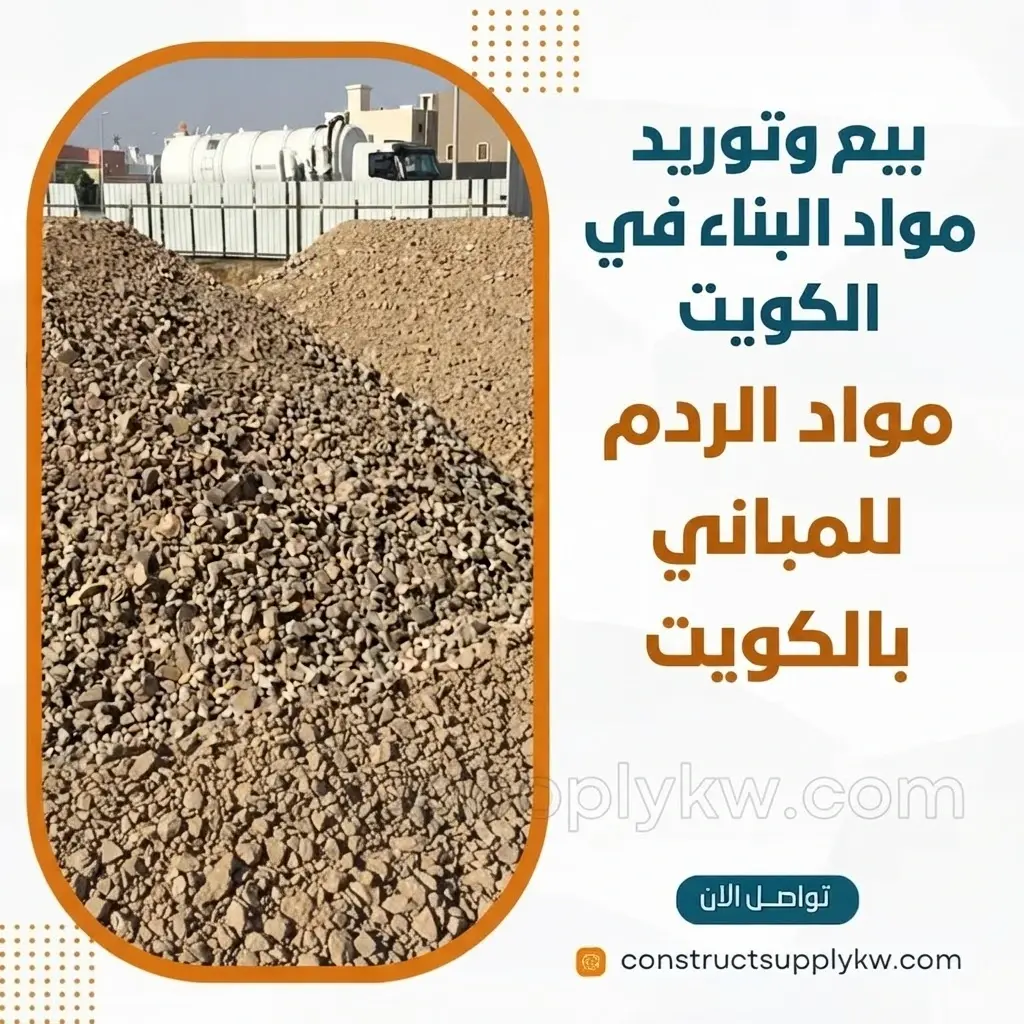
Selecting backfill materials for buildings is an engineering decision that is just as important as choosing concrete or reinforcing steel because the quality of the backfill directly influences the long-term stability of the structure and every element constructed above it. Professional projects do not rely on a single type of backfill material for every site. Instead, engineers select the most appropriate material according to the geotechnical report, anticipated structural loads, groundwater conditions, and project specifications. In many projects, well-graded backfill sand provides the ideal solution because it compacts efficiently and achieves the required engineering density. In other situations, specially engineered fill materials or stabilized soils may be recommended to match challenging site conditions. For this reason, purchasing decisions should never be based solely on price, since a lower initial material cost can result in significantly higher maintenance and repair expenses if the backfill fails to meet engineering requirements. Throughout Kuwait, reputable construction suppliers provide backfill materials accompanied by laboratory test reports confirming compliance with project specifications before delivery to the site. Engineers consistently emphasize that successful backfilling begins with selecting suitable materials rather than relying only on powerful compaction equipment because even the best machinery cannot improve material that is fundamentally unsuitable. Practical experience from numerous construction projects demonstrates that using high-quality engineered backfill substantially reduces settlement risks while providing a stable foundation for every stage of construction that follows.
-
Selected according to geotechnical reports rather than convenience.
-
Vary depending on project type and structural loading requirements.
-
Must be free from organic matter and harmful contaminants.
-
Capable of achieving the required compaction levels efficiently.
-
Reduce the likelihood of future settlement and cracking.
-
Subject to laboratory quality verification before use.
-
Improve the long-term stability of foundations and floors.
-
Preferably supplied by qualified and reliable vendors.
-
Directly influence the service life of the structure.
-
Represent an investment in construction quality rather than simply fill material.
Backfilling Around Concrete Footings
Backfilling around concrete footings requires careful engineering execution to protect structural elements while preserving the performance of the foundation system after concrete construction has been completed. Backfilling does not begin immediately after the concrete is poured. Instead, engineers first ensure that the concrete has developed sufficient strength to withstand the pressures generated by backfilling and compaction activities. The area surrounding the footings is then cleaned thoroughly, construction debris is removed, and approved backfill material is placed in successive lifts, with each lift compacted separately before the following one is installed. Engineers also select appropriate compaction equipment for confined areas surrounding footings to prevent excessive vibration or unintended loading that could affect newly constructed concrete elements. During the entire process, elevation levels are monitored carefully to ensure proper grading for future floor construction and underground utility installations. Professional construction teams consistently prioritize execution quality over construction speed because inadequate compaction or hidden voids around footings may eventually lead to differential settlement affecting adjacent structural components. Practical field experience demonstrates that strict adherence to proper backfilling procedures around concrete footings significantly improves the long-term stability of the entire structure while minimizing the likelihood of foundation-related problems during the building's service life.
-
Begins only after concrete has achieved sufficient structural strength.
-
Installed in compacted lifts rather than a single operation.
-
Protects reinforced concrete footing systems.
-
Prevents hidden voids around structural elements.
-
Uses equipment suitable for confined construction areas.
-
Requires continuous engineering supervision.
-
Supports stable surrounding floor construction.
-
Minimizes the risk of differential settlement.
-
Depends on specification-compliant engineered backfill materials.
-
Forms an essential part of high-quality foundation construction.
Preparing the Building Platform
.webp)
Preparing the building platform is the stage that establishes the site's readiness for foundations, floor slabs, internal roads, underground utilities, and every subsequent phase of construction. This process involves far more than simply clearing debris or leveling the ground. It includes removing unsuitable soil where necessary, carrying out soil replacement operations, placing approved backfill materials, compacting them correctly, and performing all required field tests before construction advances. The objective is to create a stable engineered platform capable of supporting structural loads without excessive settlement or long-term deformation. In modern construction projects throughout Kuwait, site preparation follows a clearly defined quality-control program that begins with the recommendations contained in the geotechnical investigation report and concludes only after compaction and field density tests have been successfully approved. Engineers also verify that final site elevations match the construction drawings precisely so that underground services, floor systems, and structural components can be installed without costly adjustments later. Practical engineering experience consistently demonstrates that many problems affecting floors after occupancy could have been prevented if the building platform had been prepared correctly from the beginning. Consequently, engineers regard this phase as the true foundation of every successful construction project because the quality achieved here directly influences every activity that follows.
-
Begins with removing unsuitable soil and construction debris.
-
Based on recommendations from geotechnical investigations.
-
Includes soil replacement and engineered backfilling where required.
-
Incorporates compaction and field quality testing.
-
Ensures stable foundations and floor systems.
-
Supports accurate installation of underground utilities.
-
Reduces the likelihood of post-construction settlement.
-
Improves the quality of all subsequent construction activities.
-
Requires continuous engineering supervision.
-
Represents the true starting point of every successful construction project.
Required Compaction Ratio
The required compaction ratio is one of the most important engineering criteria used to evaluate the quality of backfilling because it indicates how closely the in-place soil density matches the maximum dry density established during laboratory testing. There is no single compaction ratio suitable for every construction project because the required value depends on the type of structure, soil conditions, design requirements, and the engineering standards specified for the project. For this reason, the target compaction ratio is established before construction begins and verified through field density testing during every stage of backfilling. If testing indicates that the required compaction has not been achieved, construction cannot proceed until additional compaction has been completed and the area has successfully passed repeat testing. Practical engineering experience consistently shows that maintaining the specified compaction ratio significantly reduces the likelihood of differential settlement while ensuring long-term stability for foundations, floor systems, pavements, and supporting soil. Conversely, relying solely on visual inspection or construction experience without engineering verification often results in settlement problems that become difficult and expensive to repair after project completion. The required compaction ratio therefore represents one of the most critical acceptance criteria in building, roadway, and infrastructure construction because it provides measurable evidence that the backfill has been executed according to approved engineering specifications.
-
Established according to geotechnical recommendations and project specifications.
-
Varies depending on soil conditions and structural requirements.
-
Verified through standardized field density testing.
-
Reflects the overall quality of backfill and compaction work.
-
Must be achieved before subsequent construction can proceed.
-
Reduces the risk of long-term settlement.
-
Improves confidence in structural performance.
-
Protects foundations, slabs, and supporting soil.
-
Serves as a key quality-control indicator.
-
Represents one of the primary engineering acceptance requirements for backfill operations.
Conclusion
Backfill sand is one of the most essential construction materials for achieving stable foundations and long-lasting structural performance because the success of a building depends not only on concrete and reinforcing steel but also on properly prepared supporting soil. This guide explored the engineering importance of backfill sand, foundation backfilling procedures, engineered backfill layers, soil compaction, field density testing, soil replacement, selecting suitable backfill materials for buildings, proper backfilling around concrete footings, preparing the building platform, and achieving the required compaction ratio. When these engineering principles are applied from the earliest stages of construction, the risks of settlement, cracking, and long-term structural instability can be greatly reduced, creating a solid foundation that supports the safety, durability, and performance of the building throughout its service life.
Frequently Asked Questions
What is backfill sand?
Backfill sand is an engineered construction material used to fill excavations, prepare foundation areas, and create stable supporting layers beneath floors and structures while allowing effective compaction.
Can any type of sand be used for backfilling?
No. Backfill sand should be selected according to the geotechnical report and engineering specifications to ensure it can achieve the required density and safely support future structural loads.
Why is backfill placed in layers?
Installing backfill in controlled layers allows each lift to be compacted properly, preventing hidden voids and reducing the risk of future settlement.
Why is the field density test important?
The field density test confirms that compaction has achieved the required engineering standard before additional construction activities are allowed to proceed.
When is soil replacement required?
Soil replacement is necessary when geotechnical investigations determine that the natural soil cannot safely support the design loads or contains unsuitable materials.
How does inadequate compaction affect a building?
Poor compaction can lead to floor settlement, slab cracking, uneven surfaces, and long-term structural problems that are costly to repair.
What is the difference between backfill sand and concrete sand?
Backfill sand is used to prepare and stabilize the supporting ground beneath structures, whereas concrete sand serves as the fine aggregate component within concrete mixtures.
How can engineers verify that backfilling has been completed correctly?
Engineers confirm proper backfilling through field density testing, layer-by-layer inspection, and verification that the specified compaction ratio has been achieved according to the approved engineering standards.